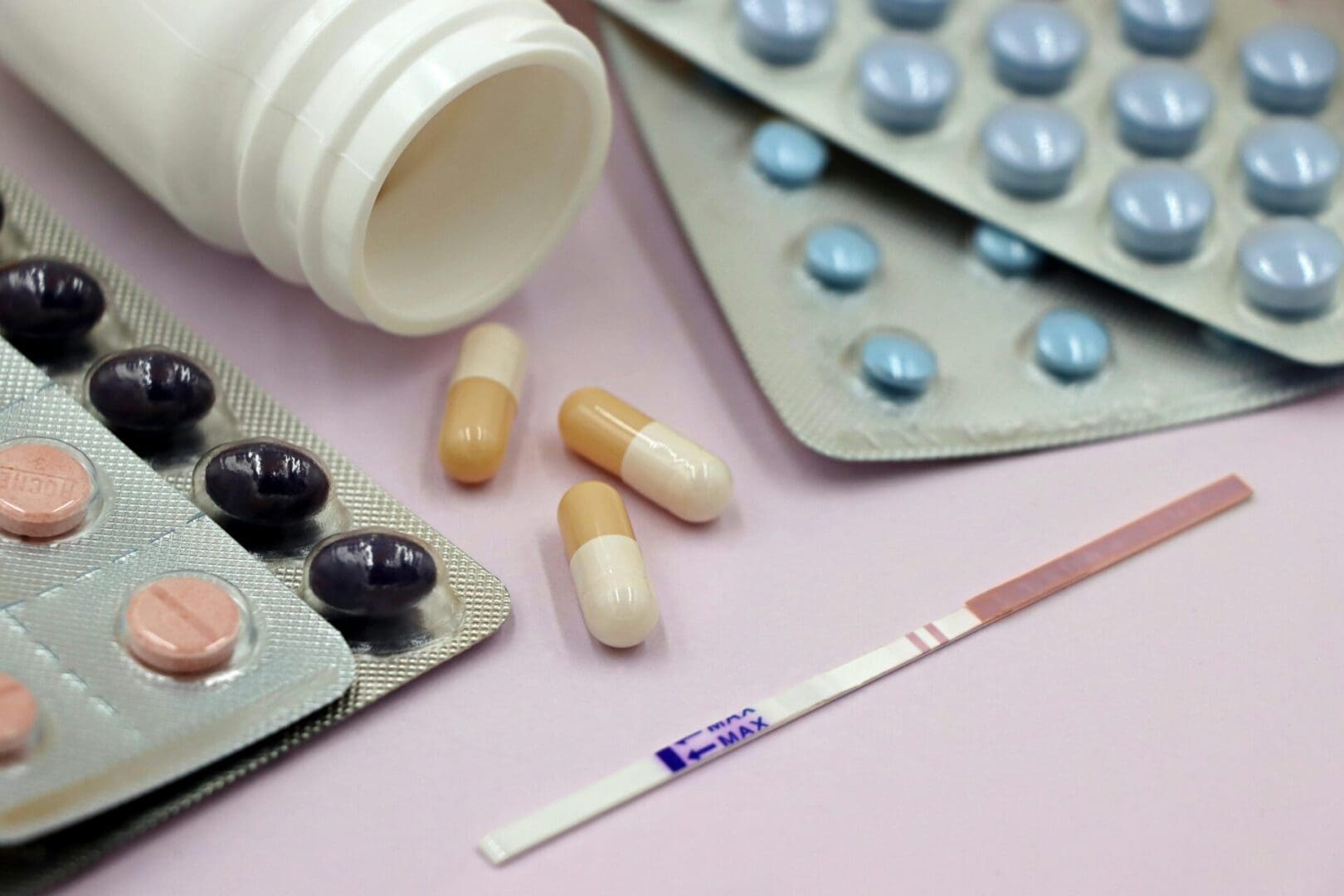
When going long distance with her partner, Cassie Sanders* realised weeks had passed since she had masturbated or even thought about having sex and was left confused as to what ‘was wrong with her’, soon realising it was the hormonal pill.
The 21-year-old decided to go on the contraceptive to help navigate her unpredictable periods, but realised it had caused her a change in libido and sexual identity, now identifying with feelings of asexuality.
“I think that there is a sense that sexual drive is something integral to human experience, and since I know asexuality, for me, is tied to synthetic hormones, it feels like my experience of sexuality is ‘unnatural’, and my body is not working like it’s ‘supposed to’. It just felt so frustrating that a medication primarily meant to improve my sexual health was having such an impact on my experience of my own sexuality,” she says.
“I assumed it was a temporary side effect and was worried that if it was to be permanent, what would it mean for me and my relationship, but luckily two years on it feels very normal now.”
The effect, known as contraceptive-induced sexual dysfunction, happens due to the synthetic levels of hormones, oestrogen and progesterone, used in the pill used to prevent pregnancy. It affects libido by suppressing ovarian testosterone production, the hormone involved in sexual desire.
However, research suggests potentially only a limited group of individuals face difficulty with libido whilst on hormonal pill contraception. A 2019 review published on the National Institute of Health found women reported mixed experiences, with some even reporting no changes.
Dr. Mikaela Rush, a Obstetrician-gynaecologist from Texas, explains that for those who do feel this, the effect can be overlooked by medical professionals when prescribing contraception.

“It is commonly overlooked when a patient needs to be on a contraceptive. Mood swings can be a side effect of hormonal medication, so it can sometimes be overlooked as an aetiology for decreased libido. I’d say we definitely consider it more if the patient has concerns about libido, or has had problems with it in the past,” she says.
“The combination pill seems to affect it the most. Progesterone only options can affect libido, but not nearly as much as the combination. It can decrease overall libido and sometimes suppress oestrogen production which can also affect vaginal dryness.”
For those experiencing changing sex drives, many may feel internalised shame about their shifting desires when with a partner, something Cassie explains affects her.
“When seeing my partner frequently I’m aware that my sex-drive is lower than most other people. Whilst there is no external pressure within my relationship to have sex frequently, I feel an internal pressure that there is a certain way I should be experiencing sexual attraction, and a certain amount of times I should be having sex a week. It definitely evokes some feelings of guilt that I am not ‘satisfying’ my partner,” she says.
The pill doesn’t just influence sex drives. In a 2013 study published on the National Institute of Medicine, it found it also can impact attraction, where women on the pill consistently chose partners with ‘less masculine’ faces.
Similarly, a 2019 study published on Research Gate, found that the contraceptive pill led women to prefer nurturing, but less genetically compatible partners, and once they stopped taking the pill these preferences were reversed.
Cassie explains that an emotional intimacy and a ‘nurturing’ connection plays a crucial role in maintaining her relationship, especially in navigating low-intimacy periods but admits she still suffers from internal spirals.
“I have OCD so my disinterest in having sex with my partner has caused me a lot of stress, as I observe the lack of arousal I experience and spiral into thoughts that maybe I’m a lesbian, or just don’t like my partner, despite the fact that I feel no interest in masturbating or having sex with anyone else either,” she says.
“However, since we don’t have sex as much as lots of other couples, it’s important to express love in these same ways, outside of sex. We spend lots of time together: dates, errands, hanging out at home. We emphasise a lot of non-sexual intimacy, like cuddling in bed, as physical intimacy is still important to us. Open communication is also very important. I ask my partner to communicate if he would like to have sex rather than using non-verbal cues because sometimes I will avoid kissing because I don’t want it to lead to sex, which interferes with intimacy more generally.”
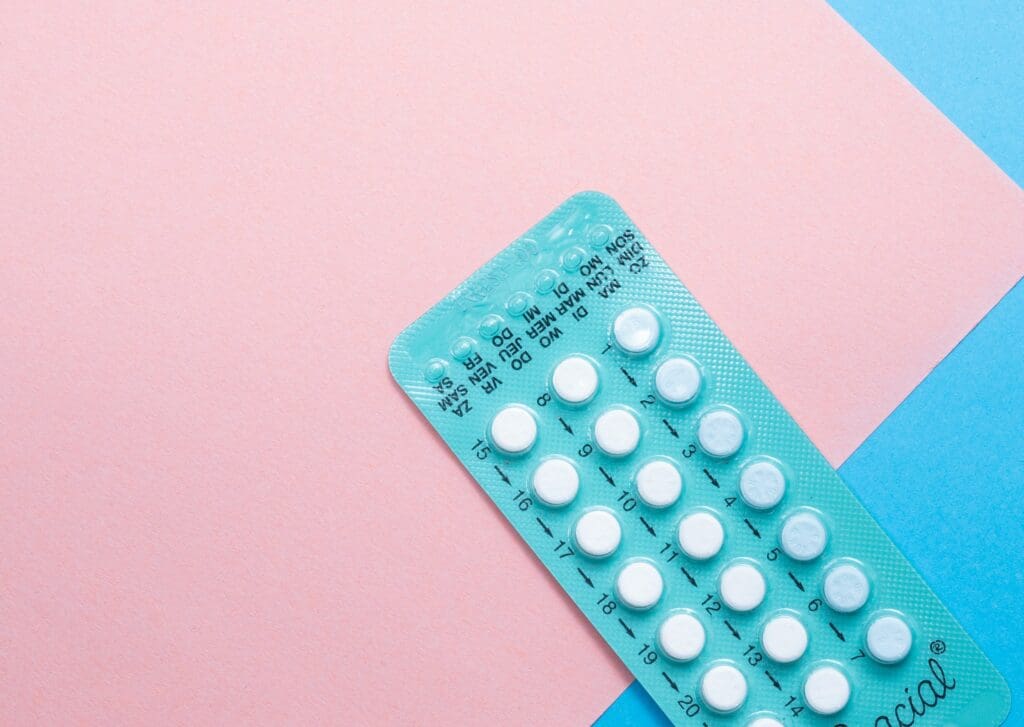
Overall, women’s health can also play a vital role in sexual desire, something Cassie agrees has influenced her experiences.
A 2018 review published on Springer found that across 41 countries, poor physical and mental health and stress were amongst the main risk factors for female sexual dysfunction.
“A loss of libido and experiences of attraction can be a really important indicator of health, so in cases like mine I would recommend that AFAB individuals pursue medical advice, and shouldn’t feel like they have to accept an unsatisfactory relationship with sex and arousal,” Cassie says.
In modern culture, Cassie also believes the expectations to be having sex can actually make the process more emotionally draining, emphasising the importance of acceptance to navigate changing identities for anyone experiencing what she has.
“I think that our culture puts too much emphasis on sex, and that people considering their sexual identities should not feel an anxiety that there is something wrong with them, or feel pressured to engage with sex or attraction in any particular way,” she says.
“Navigating changing sex drives is hard but it’s important to be kind to yourself whilst it’s happening.”
*names have been changed for anonymity purposes