By Martha Hobby
This article contains discussions of eating disorders. Reader discretion is advised.
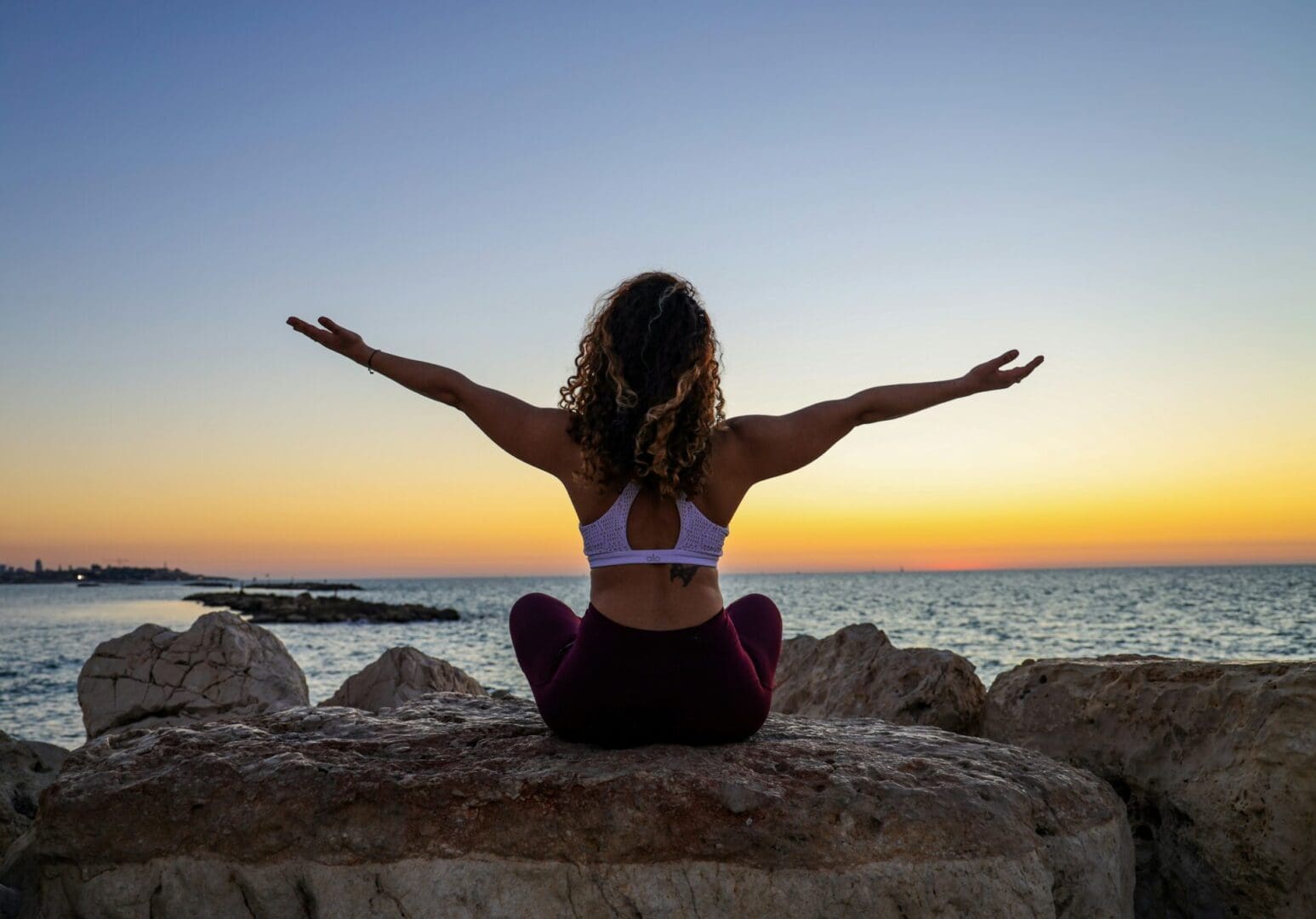
A 5am wakeup call followed by a highly extensive seven step skin care routine, Gua Sha facial massaging then hot lemon water with chia seeds. A Pilates class with the newest Lululemon gym set followed by a highly overpriced Lemon Loaf Matcha.
This is the lifestyle sold to many Gen Zer’s across Tik Tok and Instagram.
Thanks to the many influencers and social media enthusiasts, the term “health” has been redefined and rebranded to an all-consuming way of life. A lifestyle which focuses on perfection and hyper-discipline.
Ironically, many would argue that this moves away from the traditional outlook of wellness, which is about lifestyle balance and not solely focusing on bodily health but also mental health.
Influencers showcasing new products, exercises, retreats, routines and food that are all supposedly supporting and promoting a so-called “healthy lifestyle”.
However, trends such as these aren’t necessarily prompting young people to lead a healthy life and are instead fuelling obsessive mindsets towards “health”.
Whilst exercise and eating well is inevitably a positive for young people, the wellness trend adopts a complete extreme and turns young people towards living an incredibly unbalanced life, which in turn becomes unhealthy.
Being what influencers and many gen Z call, a “wellness girlie”, comes with its perks. With social media enthusiasts making aesthetic content of them showcasing their wellness life.
Gen Z, who as we know embrace visually pleasing social media content, so naturally it works hand in hand with social media algorithms to reach as many young girls’ feeds as possible.
The trend was never intended to be damaging, and what began as a fun way for social media users to showcase their daily routines and make their feed aesthetic, has now turned to an extreme where young girls feel that every aspect of their life needs improvement.
The rise of eating disorders in young people is growing at a concerning rate, with the number of teenagers starting treatment in England rising from 5,240 in 2016-17 to around 11,557 in 2024-25.
Social media cannot be completely blamed for this, as it was still very much widely used by young people ten years ago. Though, children are beginning to have access to social media at a significantly younger age.
An Ofcom report said that in 2015 only 25% of children aged 8-11 had a social media profile, this grew to a staggering 60% in 2022, despite most platforms requiring users to be over the age of 13.
This gives children access to watch and consume these unhealthy trends and therefore inevitably leading to the growth of eating disorders and negative body image.
Zofia Staniek, a 20-year-old who went through the CAHMS system for three years was diagnosed with Anorexia Nervosa at the age of 15 and is in remission. She highlighted how social media was a substantial catalyst for her negative views on her body and triggering her bad relationship with food.
“I’d see all these girls online, on my Instagram, on TikTok and I’d be constantly comparing myself to them,” she says. “It’s like these apps do it on purpose, rub all of these airbrushed models in your face and all the things they do to look that way.
“It forces young girls to point out ‘oh she has this, and I don’t, they have that, and I don’t’. I can say without a doubt that if social media wasn’t so readily accessible to me and all of these trends weren’t forced in my face, my relationship with food wouldn’t be as bad.”
Trends such as the “wellness girl” greatly fuel and enhance these impossible beauty standards by giving not only young people but followers of any age a routine to follow, products to buy and ways to live their life. Selling them a dream, that if they match this gruelling routine, they too will reach this idealistic standard.
“I’m actually really grateful that I can now consider myself in remission from my eating disorder and not currently experiencing it, because I do think that trends such as the wellness girl would have made my disorder a lot worse,” Zofia says.
“Trends like that are also extremely competition based, and I would have felt the need to constantly do what everyone else was doing, which was a big part of my anorexia.
“I really don’t like seeing everyone posting stuff like “day in the life of a wellness girl” because I’ve been in remission for 2 years now and to this day seeing content like that only triggers me to fall back into old bad habits.”
Whilst we cannot say that trends such as the “wellness girl” have begun an entirely new wave of young people aiming for perfection. It has redefined and reshaped the 90s and early 2000s dieting culture and made it seem positive by giving the deceptive appearance that it is healthy to be this obsessed by health.