Ro Wallace gives their take on corsets, candlelight, and why the fictional men of the past are doing more for women than the real men of the present
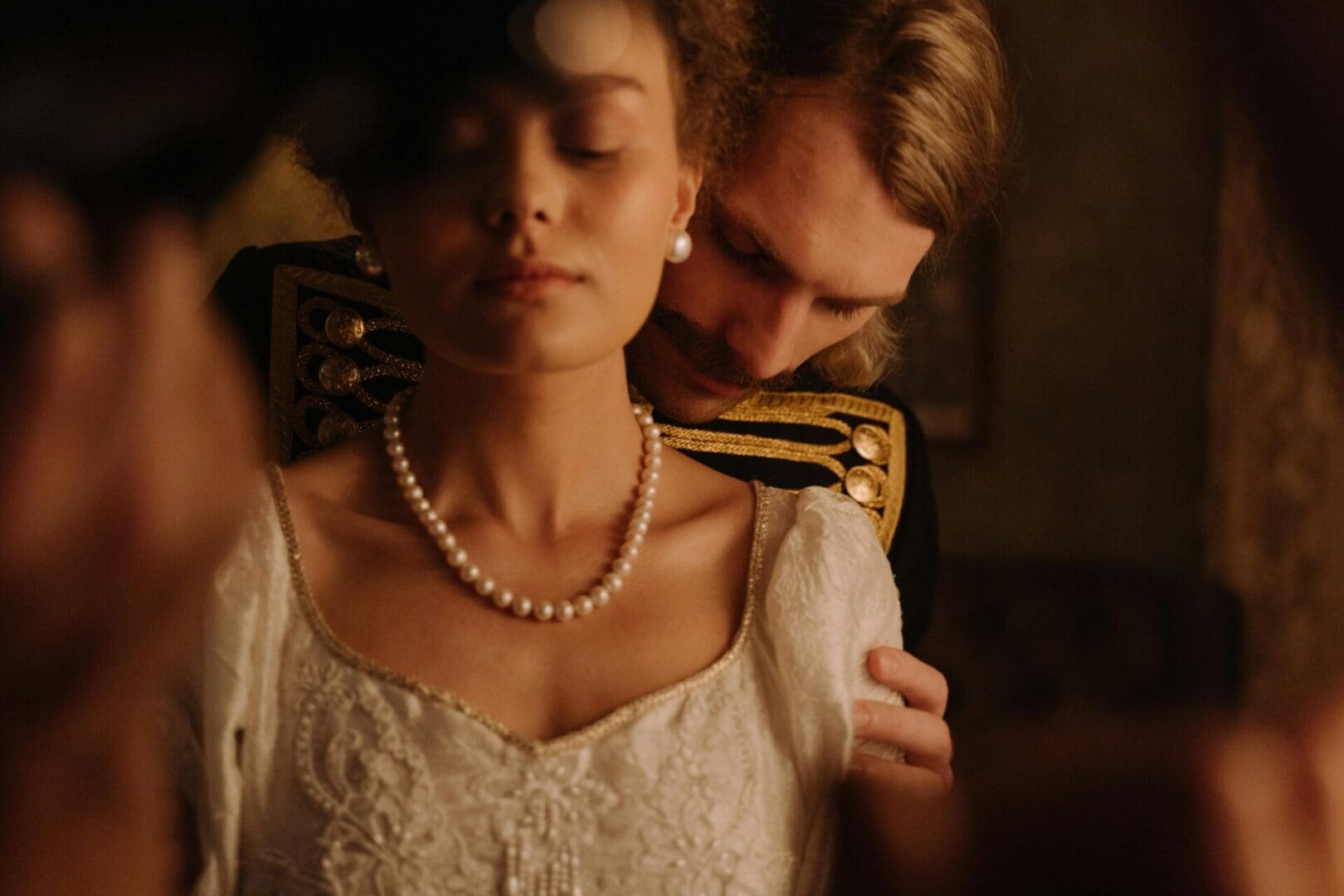
You have probably, at some point in the last five years, watched a period drama and felt things. Maybe it was the Duke of Hastings, smouldering across a ballroom. Maybe it was one of the Bridgertons in a wet shirt. It probably wasn’t Emerald Fennell’s Heathcliff in whatever that was but either way you watched it. The point is, you were not watching for the historically accurate table settings.
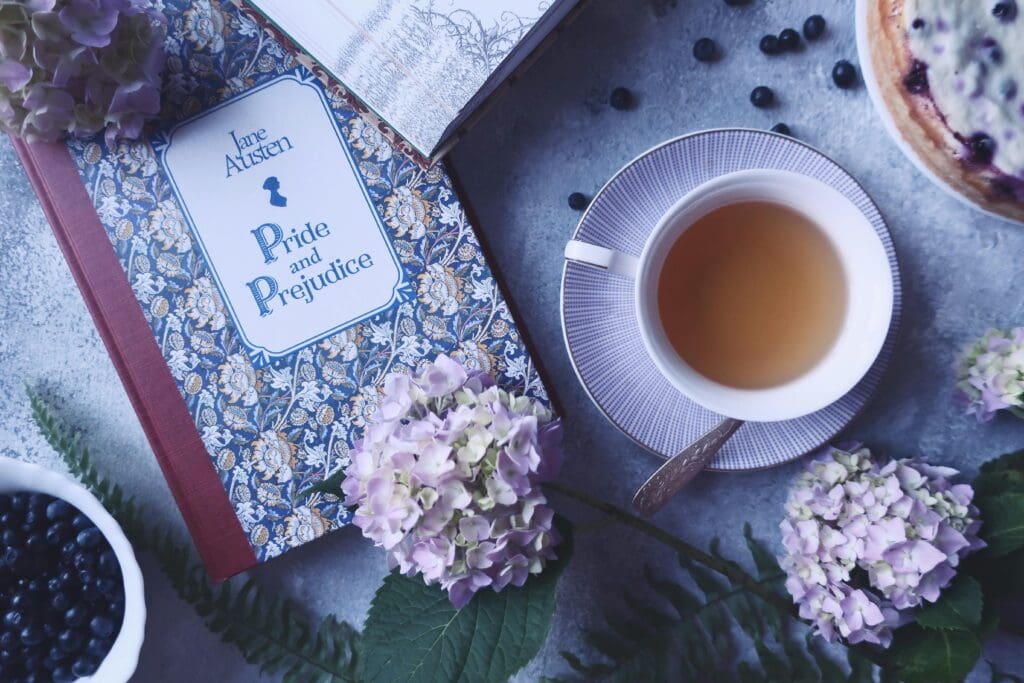
The horny historical romance has become one of the defining genres of this cultural moment, and the audience driving it is overwhelmingly women. Bridgerton broke Netflix records. My Lady Jane found its cult. And that one scene with Mr Darcy’s hand from Pride and Prejudice continues to grip a nation. Period drama men are having a moment, and so, through them, are we.
The obvious explanation is escapism, and that’s not wrong but it’s not the whole truth. When the world outside is relentless and exhausting, there is genuine comfort in retreating somewhere with better lighting and no social media. But that reading partly undersells what’s actually happening. Women are escaping to a very specific fantasy, one that the present has made almost impossible to access without considerable effort.
Modern dating is, for many women, a logistical and emotional obstacle course, especially for the ones looking to date men. Every encounter comes pre-loaded with a mental checklist. Is this dynamic equal? Is he actually listening or just waiting to talk? We ask these questions because we should, they’re important, but the vigilance required to move through heterosexual romantic life in 2026 is exhausting in ways that aren’t always acknowledged, because how do you complain about being too aware without sounding like you want to go back to being unaware?
You don’t. Instead, you put on Bridgerton.
Here’s the paradox at the heart of the period drama obsession, these stories are set in worlds explicitly designed to oppress women. The heroines have no legal standing, no financial independence, and approximately zero career options outside of marrying well. And yet they are among the most popular romantic fantasies going. Women aren’t watching these shows in spite of gender politics, the setting is doing something specific and necessary.
When patriarchy is a fixed law of the fictional universe, a woman’s desire stops being a political problem and starts being the whole point. We don’t need to interrogate whether the heroine should want what she wants. We don’t need to worry about whether her attraction to a powerful man is a feminist failing. The context has already settled all of that, so that leaves an audience of women free, genuinely free, to just feel it. The oppressive setting, counterintuitively, creates the imaginative room to let go.
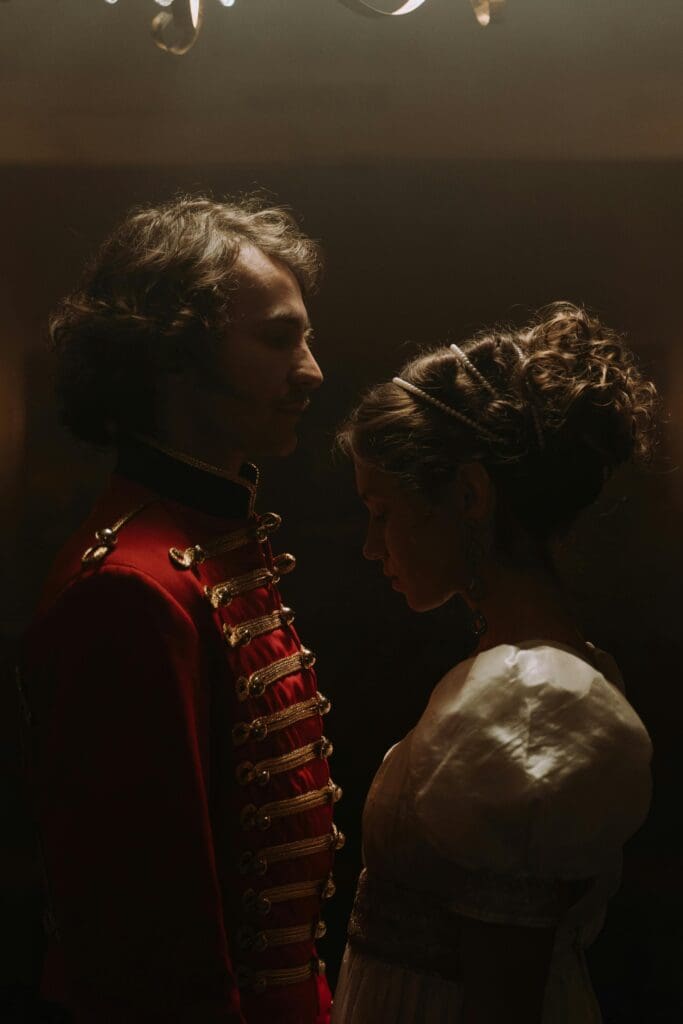
And crucially, these stories are not fantasies of submission. The heroines of modern period drama are vivid, funny, sharp, and thoroughly themselves. What they’re looking for isn’t a man to obey, it’s a man who sees them, completely and clearly, in a world that would rather look through them. When that recognition comes, it lands with the force of something transgressive, because in the context of the story, it actually is. For example, a duke who defends his wife’s right to have ambitions is doing something radical for 1813.
There’s also something worth saying about the male gaze, or the lack of it. Period drama is one of the few genres on television that turns the camera on men with genuine appreciation. It lingers, it notices. Jonathan Bailey in a wet shirt is not incidental, it’s the point, and the show knows and so do we. For an audience that has spent most of its viewing life being the thing looked at rather than the one looking, there is something kind of radical about a genre that centres female desire so completely and so unashamedly.
The period drama gives us a container for fantasy that the present keeps puncturing. It says, here is a world where the rules are already set, where you don’t have to negotiate them, where the man who loves you does so in spite of everything stacked against it, which means he really means it, that’s the fantasy.