
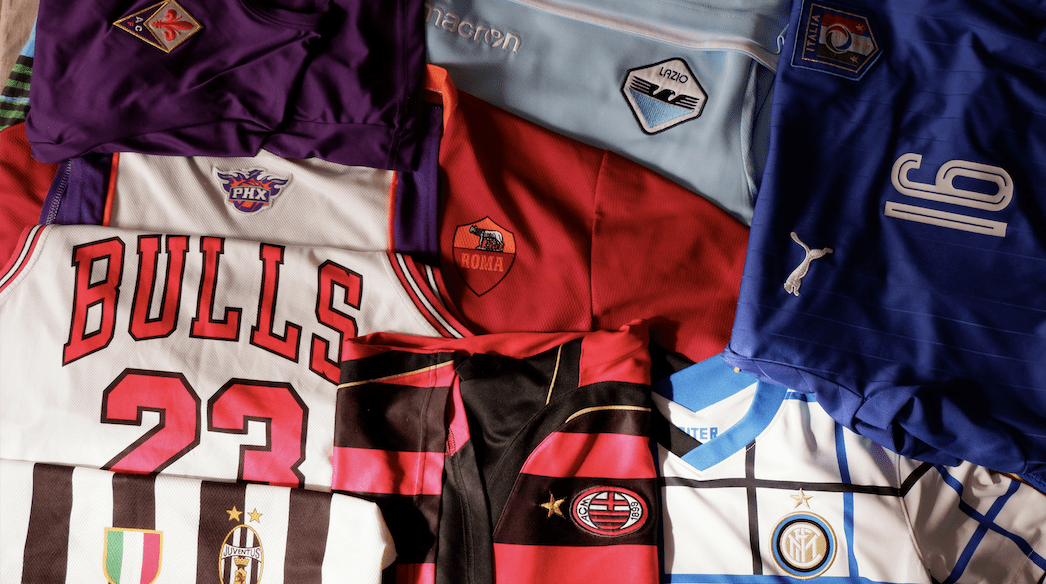
“As soon as we got back from anywhere I’d want to take his clothes off, not for freaky purposes but so I didn’t have to see him in that damn football shirt he refused to never not wear, really I should’ve really known that from his profile.”
Phoebe Miller*, 22, started to realise the subtle ick she would get in her last relationship mainly came from what she now knows as ‘the swag gap’.
The term, coined by Gen Z, across social media platforms such as TikTok, means being in a relationship with style mismatch or being with someone with a lack of individual flair.
“Now, there’s nothing wrong with prioritising comfort in outfits but when it gets to the point where I’m begging him to wear a pair of jeans it’s a turn off. I’d consider it my lucky day if he was wearing a regular t-shirt,” she says
“Its nice if they have their own vibe going on, nothing too complicated, maybe just a jumper, I like to think I understand aesthetics however, my ex-boyfriend didn’t whatsoever and it showed in his outfits where I just felt like I was outswagging him.”
The ‘swaggap’ relationship trend has seen thousands of posts across Tiktok and other social channels, with some users even rating the gap between celebrity couples such as Justin and Hailey Bieber.
Social media and even dating apps may have even amplified the need of ‘swag’. For example, a 2014 study published on Psychnet, found people’s self esteem worsened when looking at a profile they deemed to have a higher social network or healthier habits than them, potentially causing pressure to present themselves as ‘better’ or ‘cooler’.
And this too may impact romantic interest, Phoebe, who met her last boyfriend on the dating app Hinge remembers wondering why he was in the same outfit in every photo, but put it down to “poor hinge curation”.
Dr Terri Orbuch, ‘The Love Doctor’, author of “Finding Love Again: 6 Simple Steps to a New and Happy Relationship” and Professor at Oakland University, explains that attraction can vary based on things such as style.

“First impressions are very important to the partner we choose and our attraction to them. And like it or not, first impressions are powerful because what you see or observe first influences whether we are attracted to that person,” she explains.
“We all have assumptions or expectations about someone based merely on their style choices or aesthetics. Once we see that person and their style choices, we assume they have specific qualities, personality, and lifestyle characteristics. First impressions matter and impact the partner we choose and they are influenced by another person’s style choices or aesthetics.”
However, this may not always be the case when online, a 2016 study by Penn State University found when dating profiles appeared overly polished people were less likely to date them as they seemed inauthentic whereas more genuine appearing profiles were received more positively.
Now Phoebe is back dating again, she’s wondering how to ‘verify’ genuine swag online and how to tell if a profile is just carefully curated where it’s a ‘reality vs expectation situation’, as she describes.
“It’s like catfishing but for swag, it’s never a deal breaker but when on dating apps I do look for things like cool outfits or just an appreciation for aesthetics and that may signal they have a creative brain for example but it has to feel like it’s actually an extension of them,” she says.
“It feels controversial to admit out loud but I would sometimes worry I’d get embarrassed if we were going out somewhere that he wouldn’t be dressed appropriately and then I’d feel like a bad person for being superficial.”
She does however note that skinny jeans, ill-fitted beanies and jogger shorts may be the deal breakers she can’t look past on a first date.
Shan Merchant, a couple’s therapist and affair recovery specialist, explains for Gen-z, style may influence us more, and especially on dating apps, social perception may decide who we match with.

“On dating apps especially, people make snap decisions with very little information, so aesthetics, vibe and perceived social fluency matter far more than they might in real life. Your photos are communicating your personal brand before you’ve even spoken. For Gen- Z particularly, style has become part of communication. Personally, I don’t think it’s shallow to care about that – attraction matters!” she explains.
“Most people want to feel attracted to their partner and feel socially aligned with them. But I think where people go wrong is confusing perceived ‘coolness’ with genuine compatibility. Someone can look perfect online and still create zero emotional attraction in person.”
For Phoebe, she also slowly found herself growing easily irritated when they’d meet in person and their styles clashed, or he wasn’t dressed appropriately for the occasion, which she admits made her feel like a bad person and partner.
This irritation, as Shan explains, can end in ‘parent-child’ energy if not corrected, with one partner subtly managing, correcting or always trying to ‘upgrade’ the other.
“What starts as teasing or irritation about style can easily become something deeper if it’s not addressed carefully. Trying to always correct them can create shame, resentment and loss of attraction very quickly,” Shan adds.
“Equally, the partner who feels judged may begin withdrawing socially, feeling not good enough, or becoming defensive. Over time, the issue stops being about fashion or ‘coolness’ at all and becomes all about acceptance, respect and emotional safety.”
Despite her previous swag gap relationship, Phoebe emphasises even though it annoyed her, the human connection, compatibility and similar interests Shan mentioned can bridge the gap.
And it’s not just phoebe that takes the time assessing profiles, according to a Forbes Health 2024 survey, users on average spend 2.5 minutes to decide whether to swipe on a dating profile, which may well be down to things such as ‘verifying swag’ or looking for similar interests.
“Obviously we connected beyond aesthetics, we’d match each others humour and energy where we could talk for forever and at that point the swag starts to not matter because of the personal connection you have with someone, with hindsight though it may have bugged me a lot more as time went on,” Phoebe says.
Dr Orbuch too emphasises that similar key life values and goals between partners is what usually predicts relationship success, and whilst style and aesthetics may impact who we are attracted to there is no current research supporting the idea it can predict who stays together.
Catching back up with Phoebe a few weeks and a couple hinge dates later with people whose swag did indeed match the online persona, she reflects on the true importance of relationships that she now takes forward in her dating life.
“Our relationship didn’t end because he wore football shirts all the time. What really matters is remembering why you chose that person and to keep choosing each other because love always matters more than a swag gap. It’s interesting how much things don’t matter when you’re in love, it doesn’t make you adore them any less because of these perhaps shallow things at the time,” she says.
“Anyone can gain swag, swag is a mindset. Swag in whatever form you want is just confidence.”
*Names have been changed for anonymity purposes