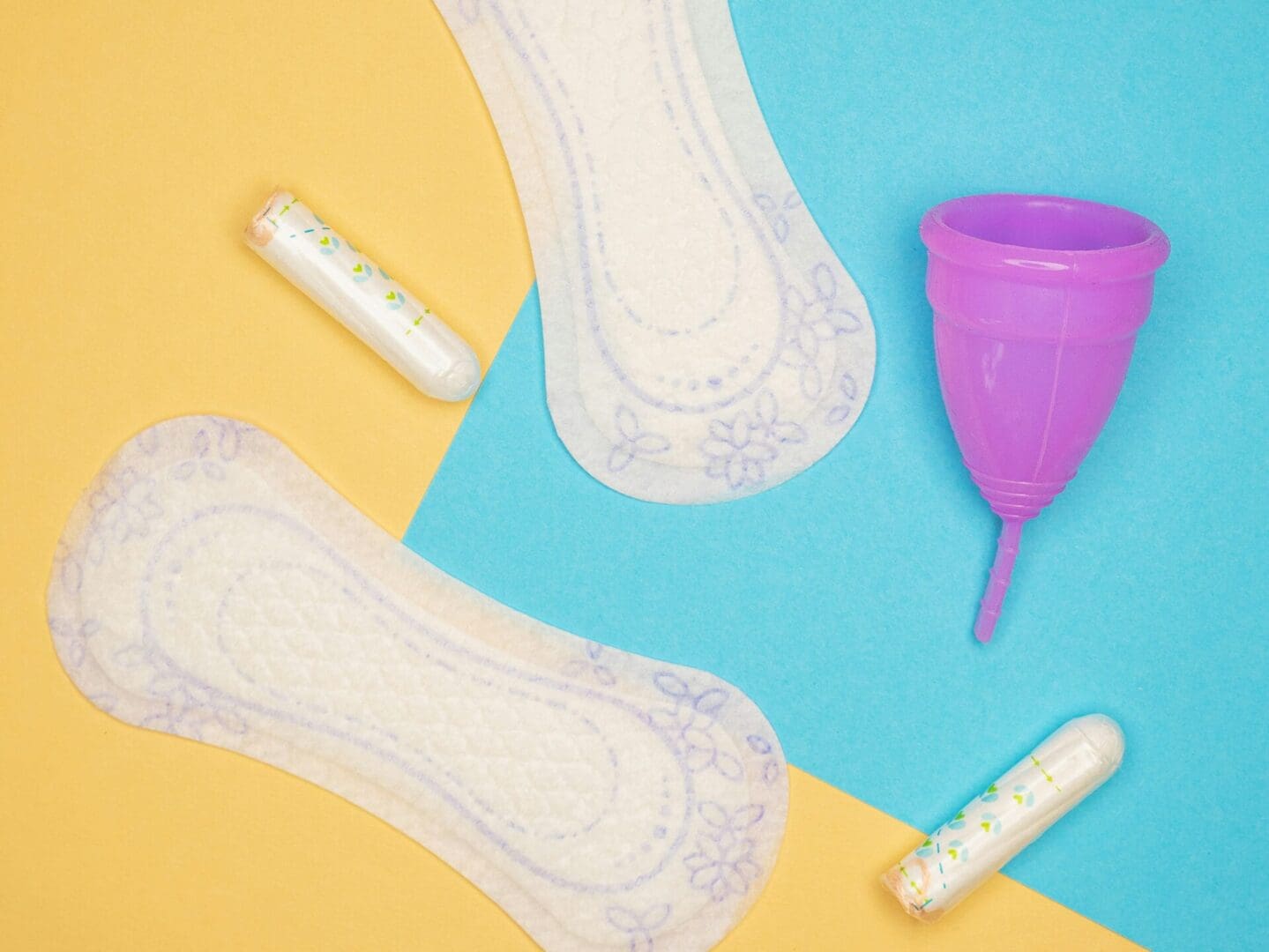
Most of us were handed a pad at some point in our early teens, maybe shown a diagram, and then left to figure the rest out on our own. The truth is, there are more period product options than ever before, and a lot of you may never have had the chance to hear about most of them. So whether you’re just starting out, curious to try something new, or simply want to feel a bit more informed, you’re in exactly the right place. Let’s learn some new things together.
Understanding your flow
Before we get into products, it really helps to know a little about what’s actually happening, because the right product for you depends largely on how heavy or light your periods are, and that truly varies widely between people.
What’s a ‘normal’ amount of bleeding?
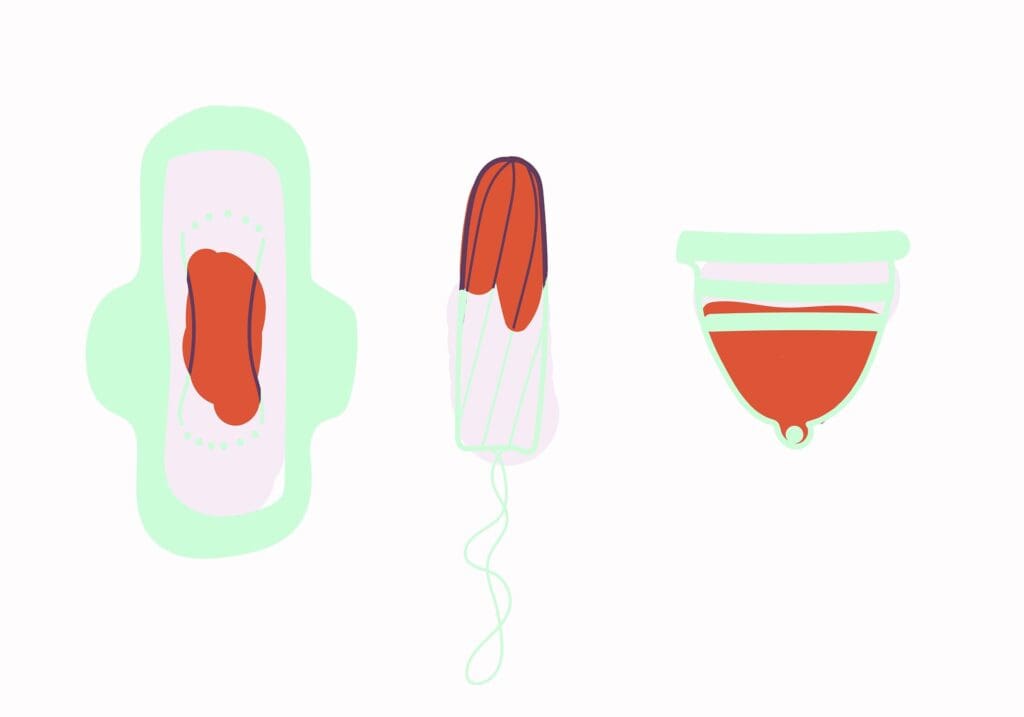
The average blood loss per period is around 30 – 40ml (roughly two to three tablespoons). Total menstrual fluid (which includes uterine lining, not just blood) is closer to 50 – 90 ml across the whole cycle. It tends to be heaviest in the first two or three days, then lighter towards the end.
Medically, heavy menstrual bleeding is defined as losing more than 80ml per cycle. Research suggests around one in five people who menstruate experience this regularly. If you’re soaking through a pad or tampon in under two hours, passing large clots, or your period is significantly disrupting your daily life, it’s worth mentioning to a GP.
Light flow
Light flow usually means you’re losing less than 5ml of blood per cycle. Light periods can be completely normal for you individually (especially if your mum or sister have similar experiences), or they can sometimes be linked to things like hormonal birth control, stress, or thyroid changes. Best product options: panty liners, light pads, period underwear, or the lightest tampon sizes.
Moderate flow
This is what most people experience: a steady but manageable amount over four to five days. You’ll likely get through a few regular pads or tampons a day on your heavier days, and fewer on lighter ones. Most products are designed with this in mind, so you have the full range available.
Heavy flow
Heavy periods are really common, but that doesn’t mean you just have to put up with them. If you’re going through products very quickly, bleeding through clothes, or feeling exhausted during your period (which can be a sign of anaemia from blood loss), it’s worth speaking to your GP. In terms of products, high-absorbency pads, overnight pads, super tampons, menstrual cups (which hold significantly more than tampons), and absorbent period underwear are all designed specifically for heavier days.
External products
What are external products? These sit outside the body in your underwear – no insertion involved. Many people prefer these, whether for comfort or convenience. Let’s get into them.
Disposable pads
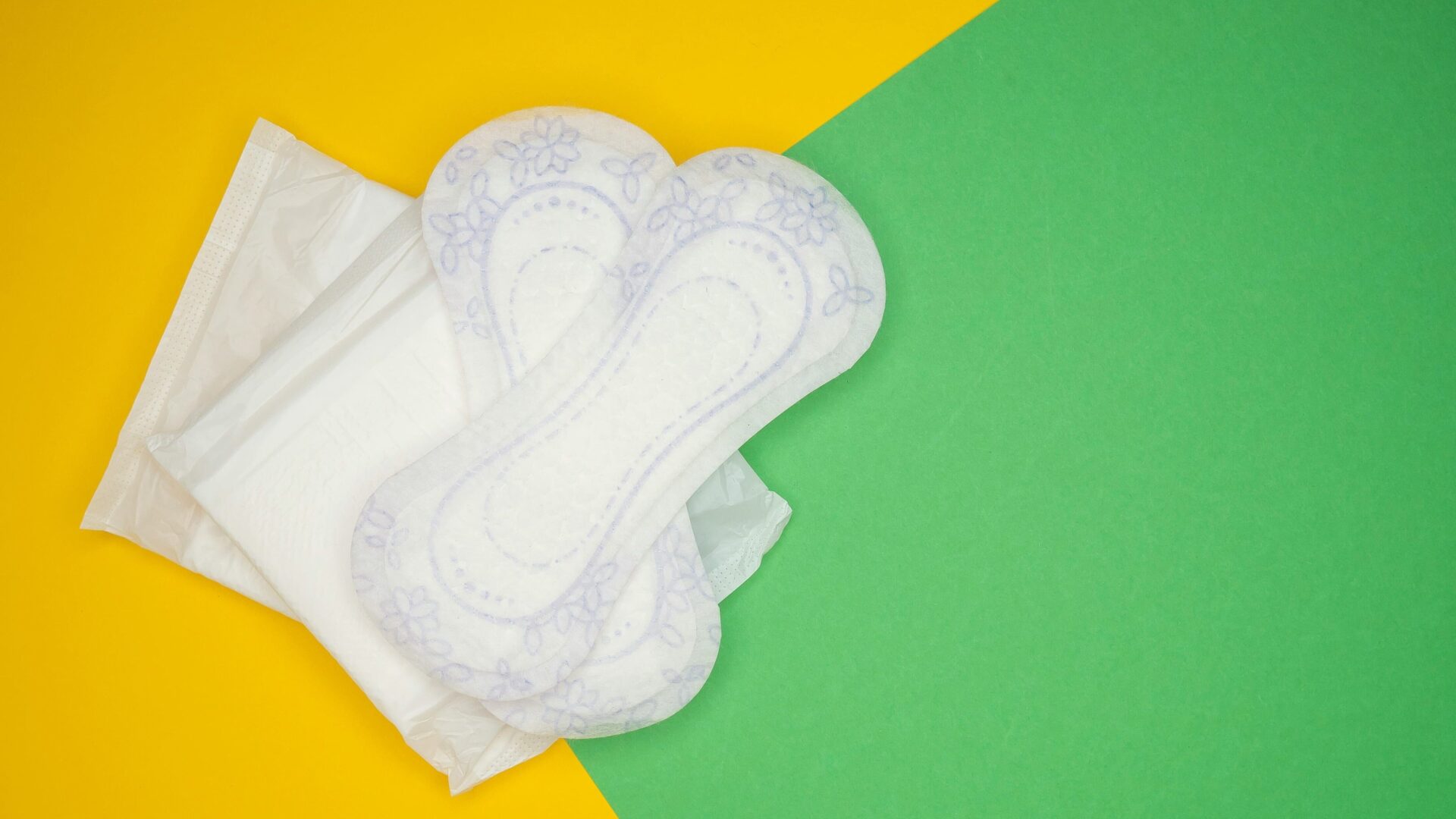
This is the one many of us started with. They’re extremely straightforward, widely available, and – importantly for anyone with a heavy flow – they come in a range of absorbencies. An adhesive pad sticks to the inside of your underwear and absorbs as you go, from light everyday liners all the way through to thick overnight options.
How to use them: Peel off the backing paper and press the pad firmly into the centre of your underwear, sticky side down. If it has wings, fold those over and press them under the gusset. It’s generally recommended to change every three to four hours, but change whenever feels most comfortable for you. Always change before bed and when you wake up on heavier nights.
Best for which flow?
- Light flow: thin liners or regular pads
- Moderate flow: regular or long pads with wings
- Heavy flow: super, maxi, or overnight pads
- Great for: beginners, overnight use, light or heavy flow, anyone who prefers not to use internal products
- Monthly cost: roughly £5 –10
Panty liners
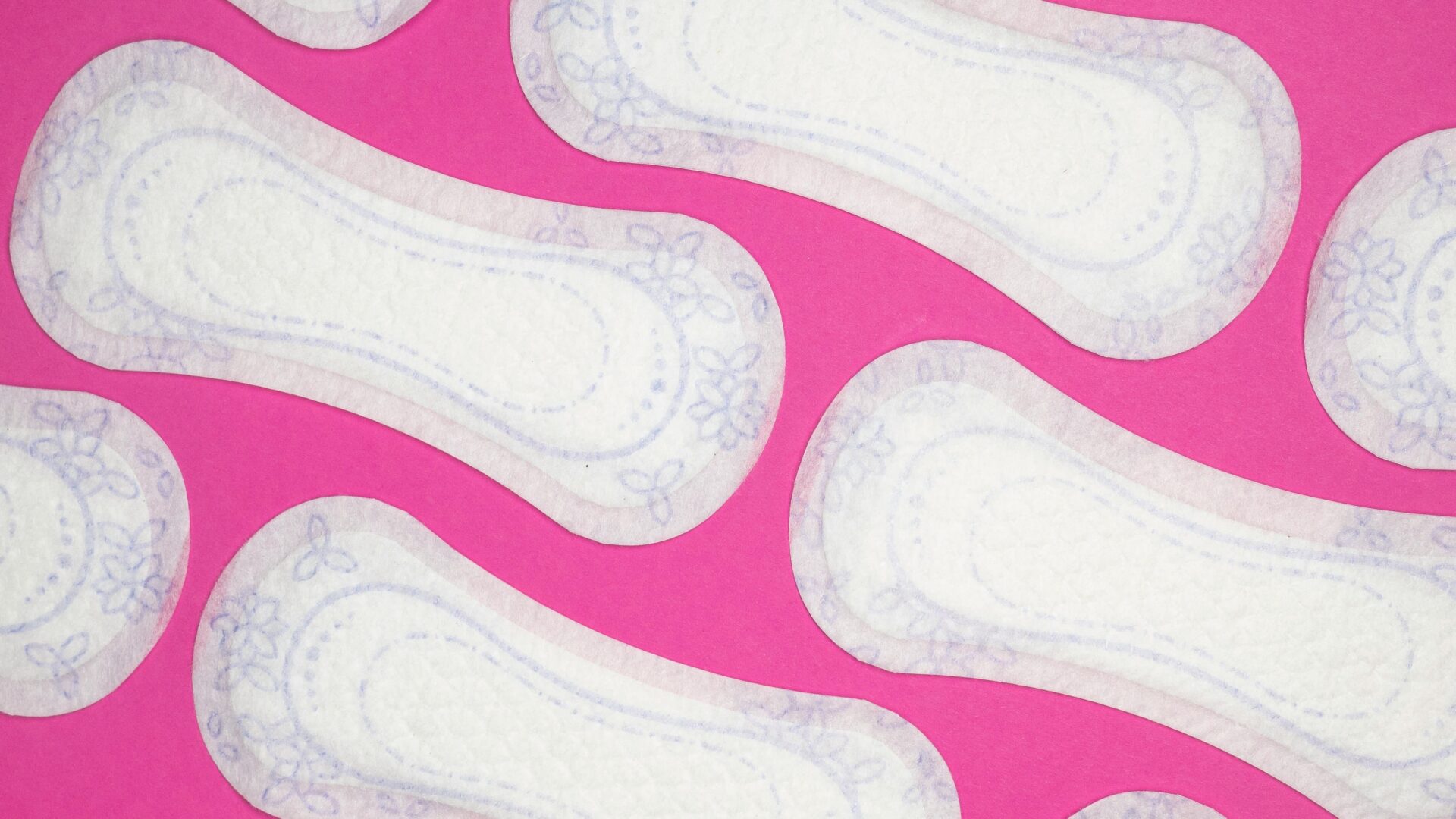
The thinner, lighter cousin of a pad. They’re designed for light days, spotting, or everyday discharge. They can also be handy as backup alongside a tampon or cup when you’re unsure how heavy things will get.
How to use them: Same as a pad – peel, stick into underwear, and change every few hours. They’re not designed to handle heavy flow on their own, so on heavier days, use a proper pad or team them with an internal product.
Best for which flow?
- Light flow: great as a standalone option
- Great for: end of period, spotting
- Monthly cost: roughly £2 – 5
Reusable cloth pads
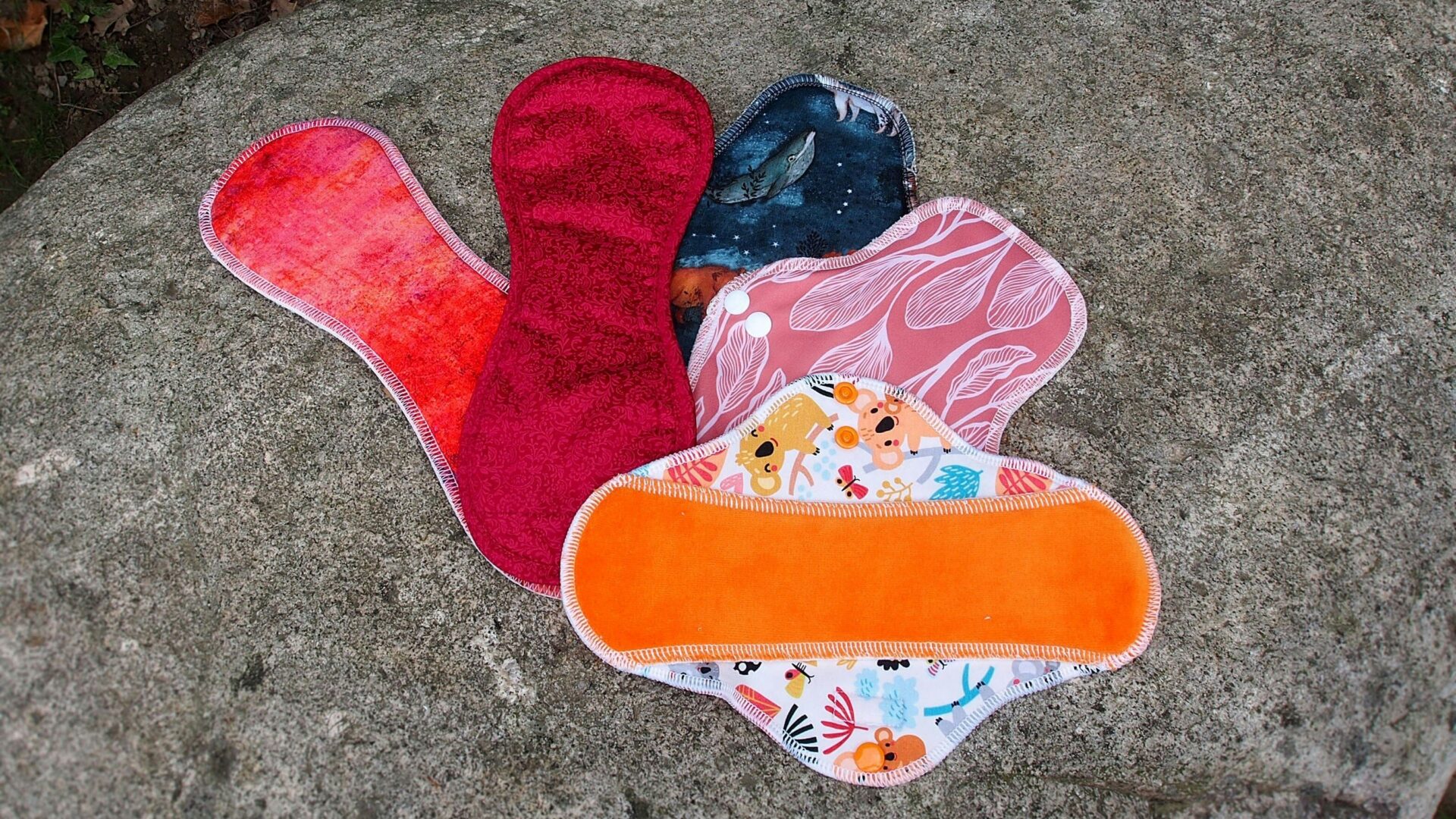
These work just like disposable pads but are made from fabric and go in the washing machine when you’re done. A lot of people find them softer and more comfortable because there’s no plastic against the skin – if you’ve ever had reactions or irritation from disposables, this is worth considering.
How to use them: Unfold the pad and press it into your underwear, then snap the wings closed underneath. Wear just like a disposable. When you’re done, rinse in cold water (cold is important – warm water can set stains), then pop it in the wash. Most dry quickly overnight.
Best for which flow?
- Available in light, regular, and heavy absorbencies (just like disposables)
- Some brands make overnight sizes for heavier nights too
FUN FACT: Switching to reusable cloth pads saves roughly 11,000 disposable products from landfill over a lifetime of periods. Reusable options have a fraction of the environmental impact of disposables.
- Great for: sensitive skin, reducing waste, long-term savings
- Upfront cost: roughly £30 – 60 for a starter set (it seems expensive at first, but think of it like buying a good pair of jeans – you’ll have your period for many years, so it’s a genuine investment)
Period underwear
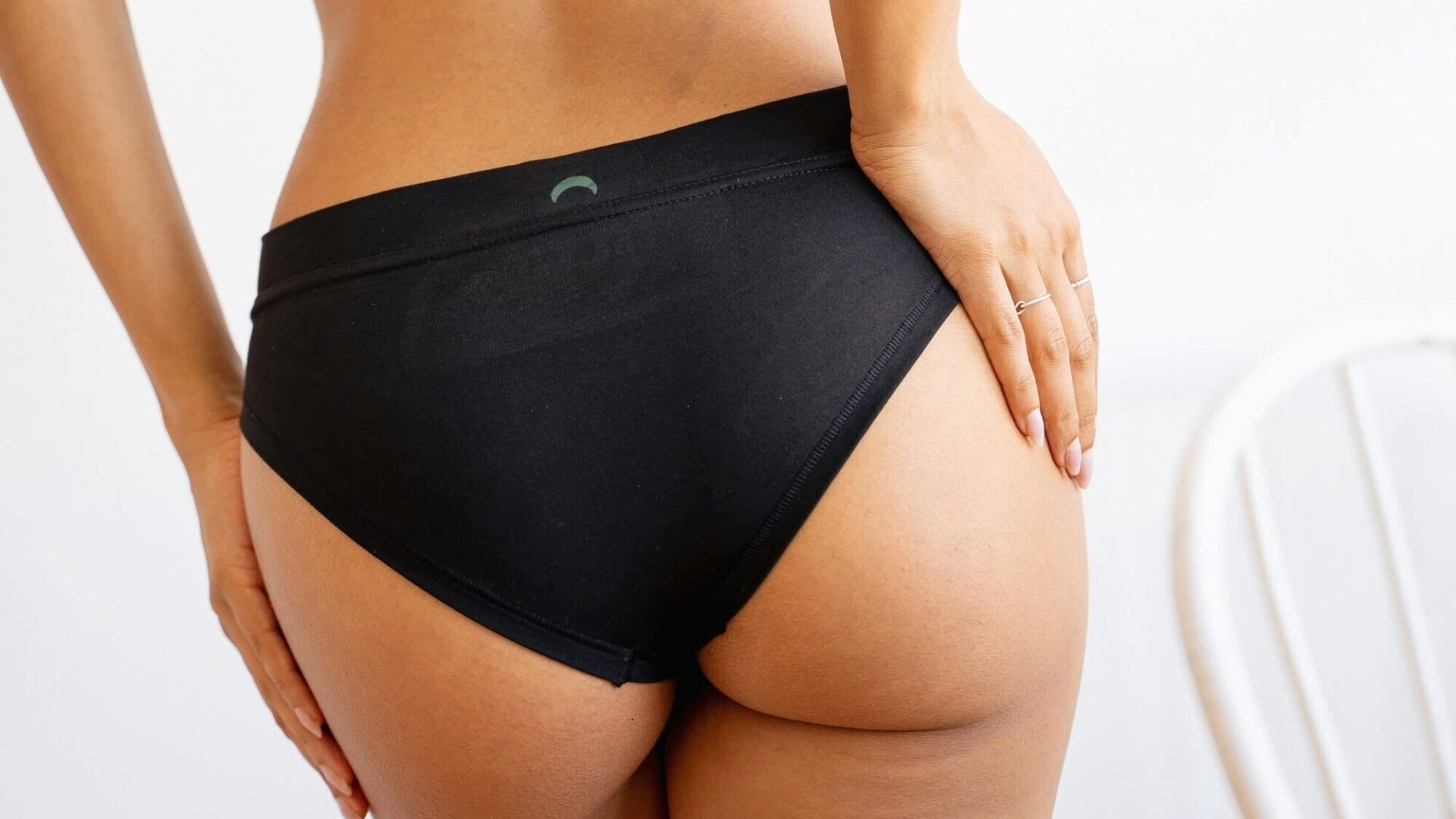
My personal favourite – I’ve just started using these and can vouch for them wholeheartedly, especially with a heavy flow. Period underwear looks and feels exactly like normal underwear, but with a built-in absorbent layer. You wear them, wash them, and wear them again. And they are genuinely so comfortable – especially on the days when your body feels like it’s giving up on you. A small thing like that really can make a difference.
How to use them: Put them on like regular underwear, and that’s genuinely it. When you’re done, rinse in cold water, then machine wash on a cool cycle. Avoid fabric softener, which can reduce absorbency over time, and air dry if you can.
Best for which flow?
- Light styles: best for light days or backup
- Heavy-flow styles: can hold the equivalent of three regular tampons’ worth on their own
- Overnight styles: wider coverage at the back for sleeping
FUN FACT: A good pair of period underwear can replace hundreds of disposable pads over its lifetime. The environmental benefit compared to disposables is significant, though it’s worth checking that the brand you choose uses safe, tested materials.
- Great for: comfortable all-day wear, overnight, sport
- Upfront cost: roughly £12 – 40 per pair
Internal products
These sit inside the body in the vaginal canal. If that sounds a bit daunting, that’s completely understandable; it does take a little getting used to. However, when they’re inserted correctly, you genuinely shouldn’t be able to feel them, which is why so many people love them for sport, swimming, or just not thinking about their period all day. That said, we understand these aren’t for everyone.
A gentle note: you don’t need to rush into using internal products if you’re not ready. There’s no age requirement or experience threshold. I think that’s a misconception a lot of us carry, that internal products are somehow a “next step.” They’re absolutely not; it’s entirely about what feels right for you.
Tampons
A small, soft cylinder of absorbent material that sits in the vaginal canal and absorbs flow at the source. They are available with or without an applicator (a small tube that helps with insertion). When inserted correctly, you can’t feel them at all.
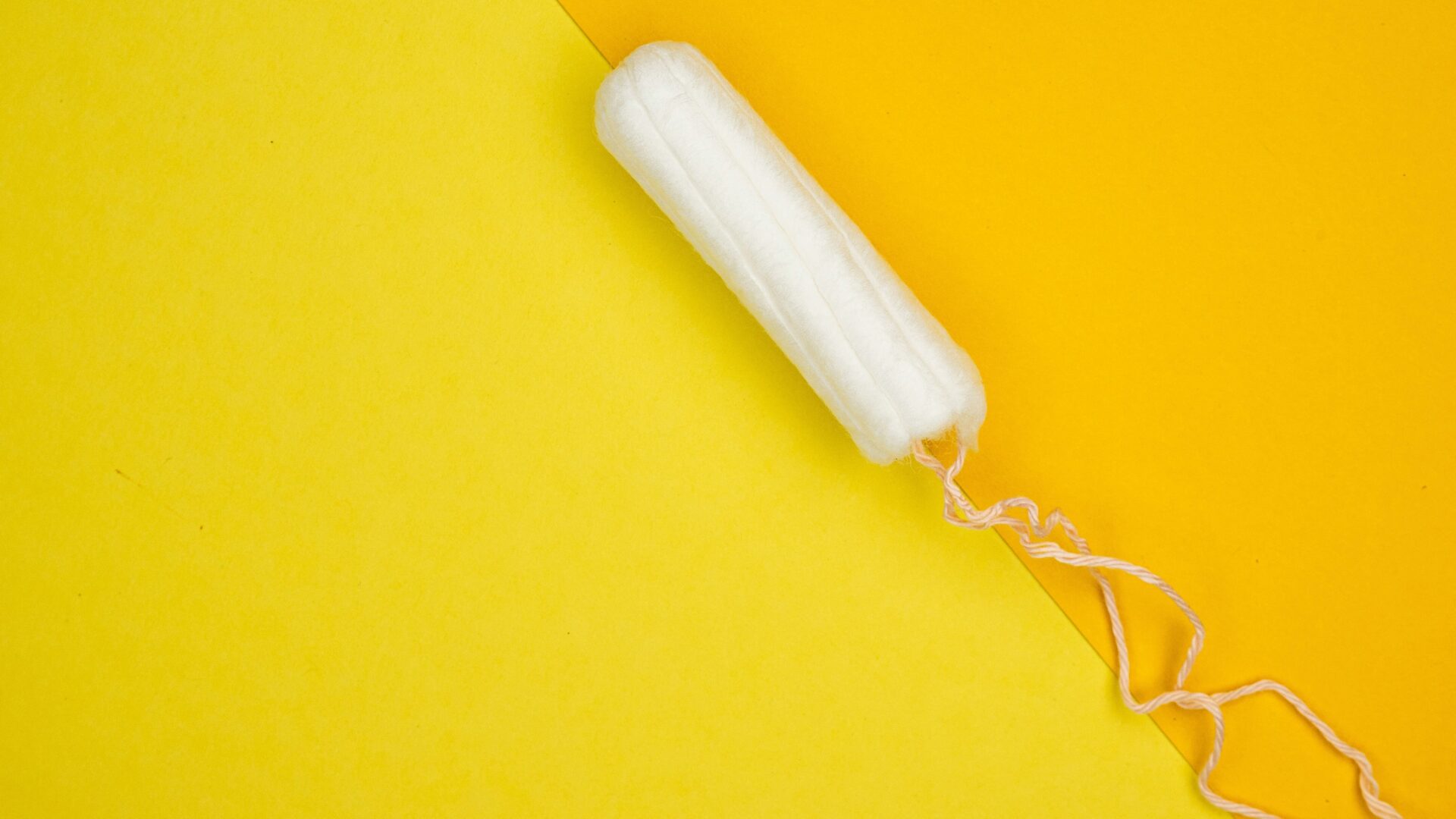
How to use them: It is important to wash your hands first, then, with an applicator: hold the outer tube between two fingers and a thumb, insert the tip into the vaginal opening, then push the inner tube upward to release the tampon, and remove the applicator. Without an applicator, use your index finger to gently push the tampon in at a slight backward angle until your finger is fully inside and the tampon feels comfortable. You genuinely shouldn’t be able to feel it when it’s in correctly, and if you can, try pushing it a little further. The string hangs outside the body for easy removal.
Important: Change every four to eight hours. Never leave one in longer than eight hours, as this raises the risk of Toxic Shock Syndrome (TSS) – a rare but serious bacterial infection. Always use the lowest absorbency that works for your flow.
Best for which flow?
- Light: mini or light tampons (designed to hold less than 6ml)
- Moderate: regular tampons (around 6 – 9ml)
- Heavy: super or super plus tampons (9ml+)
FUN FACT: Around 2.5 million tampons are flushed down UK toilets every day – they should always go in the bin, not the loo. Tampon applicators can take over 20 years to break down in marine environments.
- Great for: swimming, sport, active days
- Monthly cost: roughly £4 – 8
Reusable tampon applicator
A small silicone applicator you use with regular non-applicator tampons, instead of a disposable plastic one. Rinse between uses, pop it in its case, done.
How to use it: Load a regular (non-applicator) tampon into the silicone tube. Use it exactly like a disposable applicator to insert the tampon. Remove the applicator, rinse with warm water, and keep it in its case until next time.
- Great for: people who prefer applicators but want to cut plastic waste
- Upfront cost: roughly £10 –20 as a one-off
Menstrual cup
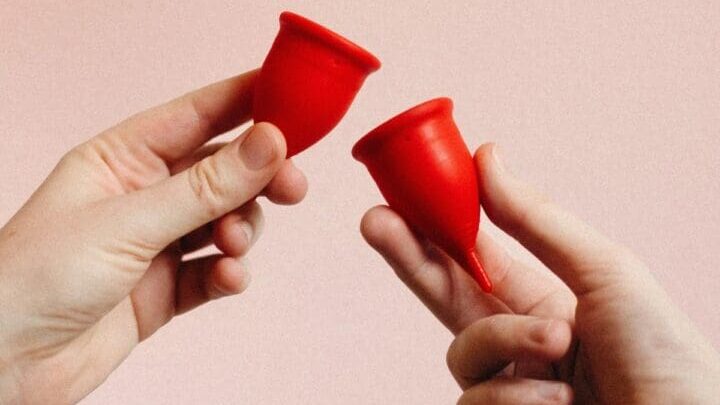
A soft silicone cup that sits in the vaginal canal and collects flow rather than absorbing it. Holds far more than a tampon, can be worn for up to 12 hours, and with proper care lasts up to 10 years, the cost works out to almost nothing long-term.
How to use it: Wash your hands and rinse the cup. Fold it using one of several methods: the most popular are the C-fold (fold it in half to make a C shape) and the punch-down fold (push one side down into the cup to make it smaller). Insert the folded cup at a slight angle, then let it open, and rotate it slightly to ensure it’s fully open and has formed a seal. You shouldn’t be able to feel it.
To remove it: relax, then pinch the base of the cup (not the stem) to break the seal, and ease it out. Empty the contents into the toilet, rinse with water, and reinsert. At the end of your period, wash thoroughly with mild soap and boil for a few minutes to sterilise.
Worth knowing: Most people find it takes two or three cycles to feel comfortable with a cup, so be patient with yourself; it’s a product that rewards perseverance.
Best for which flow?
- Most cups hold 10 – 38ml – about three times more than a regular tampon
- On heavy flow days, you may need to empty more often (every 4 – 6 hours rather than 12)
- Different sizes are available depending on age and whether you’ve given birth
Menstrual disc
Similar to a cup, but sits higher up at the base of the cervix rather than in the vaginal canal. Due to its position, it can be worn during penetrative sex. It also has a useful trick: bearing down gently while sitting on the loo causes it to tilt and auto-empty into the toilet.
How to use it: Squeeze the disc into an oval shape, then insert it by pushing it back and down, tucking the front edge up behind the pubic bone. It should sit comfortably above the vaginal canal. To remove, hook a finger under the front rim and pull it out level, keeping it horizontal avoids spillage. Empty, rinse if reusable, and reinsert, or dispose of it if using a disposable version.
Best for which flow?
- Discs have a high capacity, comparable to or greater than most cups (ranging from 30 –70ml)
- Good for heavy flow days when you want longer wear between changes
Menstrual discs are a newer product category that’s growing quickly. Unlike cups, their positioning means they don’t press on the vaginal walls, which some people with conditions like vaginismus find more comfortable.
- Great for: high capacity, sex during periods, the auto-empty feature
- Monthly cost: roughly £5 –15 disposable; one-off cost for reusable
Where to get free period products in the UK
Period products cost money, and in a cost-of-living crisis, that can be really difficult. You might have been putting it to the back of your mind, but help is available, and there is absolutely nothing awkward about using it. This is exactly what these schemes exist for.
If you’re in Scotland
Scotland leads the world on this. The Period Products (Free Provision) (Scotland) Act 2021 means free products are a legal right for anyone who needs them.
- Libraries, leisure centres, community centres, and council buildings all stock them, often including reusable options
- All schools and universities are required to provide them
- Download the free PickupMyPeriod app to find hundreds of nearby locations with real-time availability
Supermarkets
- Aldi: Since March 2025, free pads and tampons in customer toilets at the majority of UK stores: no loyalty card, no codeword
- Morrisons: Ask at customer service for “a package for Sandy”: you’ll receive a discreet free pack
- Lidl (Northern Ireland): Free monthly coupon via the Lidl Plus app

Schools and colleges (England)
The Department for Education funds free period products in all state schools and 16-to-19 colleges through the 2025/26 academic year. They should be accessible without needing to ask, check with a trusted member of staff if you can’t find them.
Universities
Many UK universities now have free products in campus toilets, libraries, or through the Students’ Union. If yours doesn’t, the SU is a great place to push for it.
Charities and community organisations
- Bloody Good Period: distributes free products through community partners, with a focus on asylum seekers and refugees
- Hey Girls: buy-one-give-one social enterprise, partners with food banks, youth groups, and women’s centres
- Freedom4Girls: local schemes in Leeds and Leicester
- Trussell Trust food banks: often include period products in essential packages
- The Hygiene Bank: hygiene essentials including period products through community hubs UK-wide
Other places worth knowing about
- Sexual health and contraception clinics often keep a supply and can point to local schemes
- Some GP surgeries take part in the Period Angels scheme: the Period Angels app shows participating practices near you
- Your local council website often lists nearby distribution points
- Some train operators (including Avanti West Coast) have free products on board, ask staff
How to find what works for you
There’s no single correct answer here. The best product is simply the one that makes you feel comfortable and confident. A few questions worth asking yourself:
- Are you comfortable with internal products? If not yet: start with pads, liners, or period underwear. No rush.
- Are you active or do you swim? Tampons, cups, or discs tend to work better for that.
- Do you care about reducing waste? Cups, cloth pads, and period underwear are all much gentler on the planet.
- What’s your budget? Reusables cost more upfront but save money every month after that.
The majority of people end up mixing and matching depending on the day. Experiment and see what you like; you don’t have to commit to one thing!
A gentle note on period pain
Some cramping is a normal part of periods. Severe pain, however, is not something you should have to push through.
Debilitating period pain can sometimes be a sign of conditions like endometriosis, which affects around 1 in 10 people with a uterus. It takes an average of 8 years to diagnose, often because people are told their pain is normal. It isn’t. If your periods are consistently really difficult, please do talk to a GP.
Prices are approximate UK figures as of 2025 and vary by brand. Free product schemes can change; check local council websites and charity pages for current information.