Have you ever hidden a tampon up your sleeve as you scuttled to the bathroom? Tried to open a pad in a public cubicle as quietly as you could? Or even pretended you didn’t want to double over in pain from overwhelming, painful cramps? So many of us have done it, not wanting anyone to find out it’s that time of the month.
One in four people who menstruate feel embarrassed about their period, even though it’s a perfectly natural bodily function. We still haven’t beaten the stigma that clings to periods, and it’s because of the gaping menstrual literacy gap. The gap between having a body that menstruates and actually having the tools to understand it.
This phrase was coined by Irise International in their 2026 “Red Report”, giving a name to the shame surrounding menstruation. It illustrates the shocking divide between having a period and actually understanding the biological, emotional, and even social impacts it can have in everyday life.
This lack of understanding has been curated by years of attaching shame and embarrassment to something as normal as menstruating. To fix it, we have to understand why it exists and what we can do to deconstruct it together.
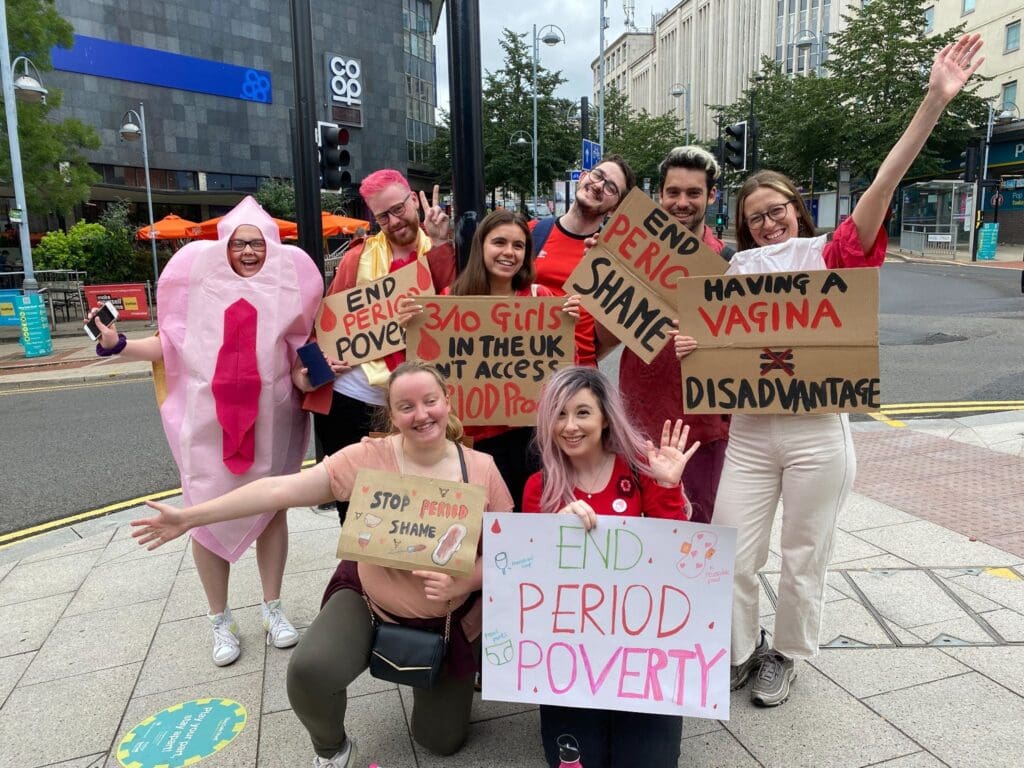
Credits- Irise International
Why are we embarrassed?
“My teacher told me to stop talking about my period because it’s disgusting when I asked someone quietly if they had a tampon.” – Irise respondent.
The shame follows us everywhere, even in the very place we are supposed to learn about our bodies. Teachers are supposed to inform their students, instead of creating narratives that periods can’t be talked about explicitly, that they are gross, and not an entirely normal bodily function.
Irise found that dated euphemisms like “aunt flo” and “shark week” are still being used in classrooms, instead of the correct biological terms. When we replace proper, biological language with funny code-words, it actively prevents understanding, whilst also creating room to embarrass anyone who menstruates.
This proves period shame isn’t something we’re born with, it’s something we’re taught. The Red Report found that 70.1% of people don’t feel comfortable discussing menstruation at a social gathering, and 27% are, in fact, comfortable even talking to their family. “Over half of the population will menstruate at some point in their lives – that anyone feels shame for having a period needs to change.” Chrissy Cattle, CEO of Irise International, voices what we are all thinking. We carry so much stigma in something that is biologically inevitable. We need to learn about menstruation, and this has to start in schools.
We want our future generations to feel comfortable in their bodies, and that includes celebrating menstruation for the natural thing it is. Educators in 2026 should not be shutting down these conversations, as it leads to a lack of understanding at all.
Why don’t we know?
One in three people does not feel knowledgeable about periods at all. The silence that follows even mentioning menstruation stops open conversations and questions, pushing people to ask online instead. The red report found that 54% of people use internet searches most often for menstrual health information, and almost a quarter also turn to AI chatbots, online communities, and period-tracking apps.
These fragmented and unregulated sources can be dangerous in spreading misinformation. As Irise CEO Chrissy Cattle explains: “Words closely associated with menstruation are often shadow-banned or can link to irrelevant or upsetting content, so it can be difficult to know what sources to trust online. This means instead of seeking help, many people are suffering in silence, experiencing shame or guessing what they should do about symptoms, which can have lasting consequences.”
This is the menstrual literacy gap at work. Shame blocks all open communication, so people will find their information in worse places. This cannot be the solution. We need safe, open spaces for conversations about menstruation to be heard; misinformation will fill the silence.
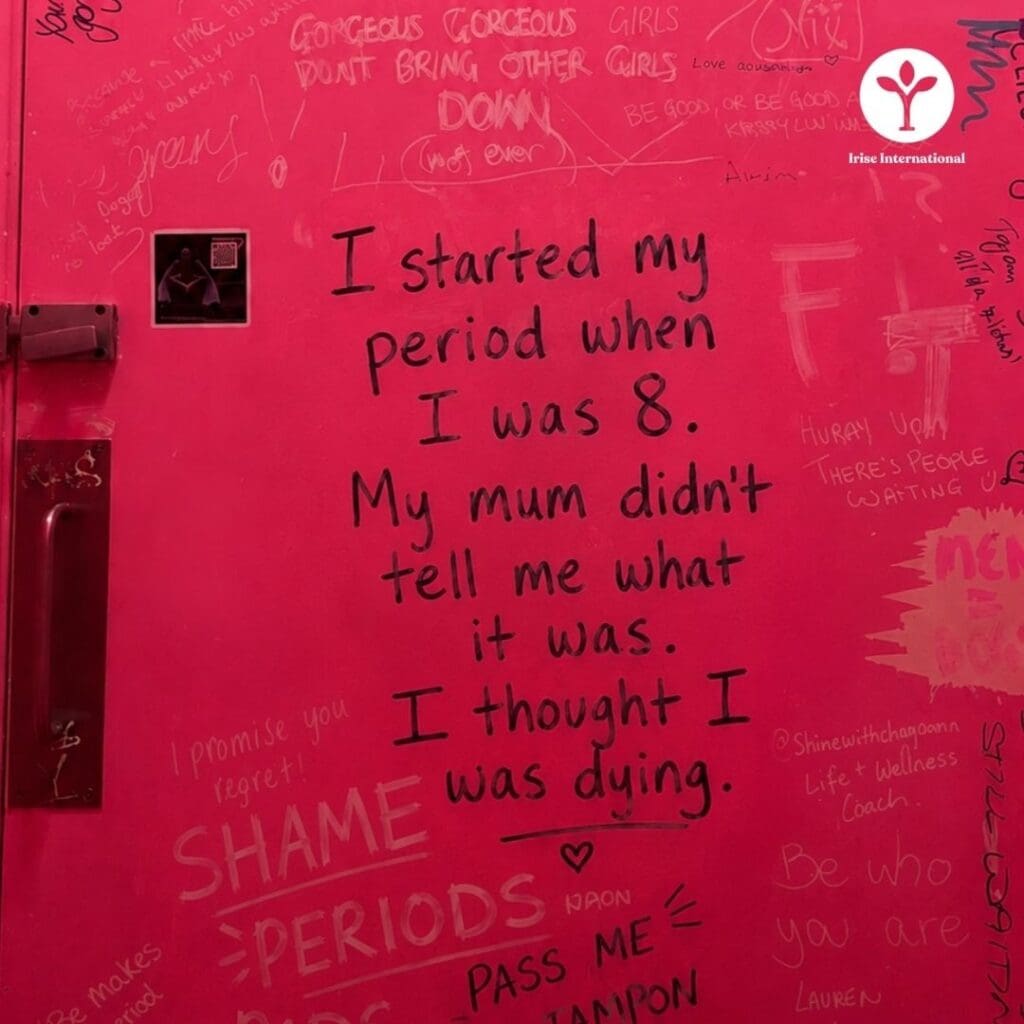
Credits- Irise International
Why don’t we know?
Once these conversations start flowing unapologetically, and no one tenses at the mention of a period, people can start learning properly. Having this knowledge is vital, especially for those who don’t menstruate themselves.
“I remember once I was at my dad’s house, and there weren’t any tampons there, and I felt too awkward to tell him because he’s a man.”
This respondent’s experience mirrors so many young people’s anxieties around addressing their period. The internal wince when you have to ask a man to buy you a box of tampons.
It shouldn’t be so daunting, but currently, half of the male respondents in the red report said they weren’t comfortable buying period products. They groan and say they don’t know what all the different sizes and colours mean. Opening up these conversations to men allows them to be more knowledgeable about menstruation instead of being ignorant of their needs.
Men are up to five times more likely to feel more comfortable talking about periods if they feel more knowledgeable. So don’t hide it from men, including them, and embracing allyship can help dismantle the shame.
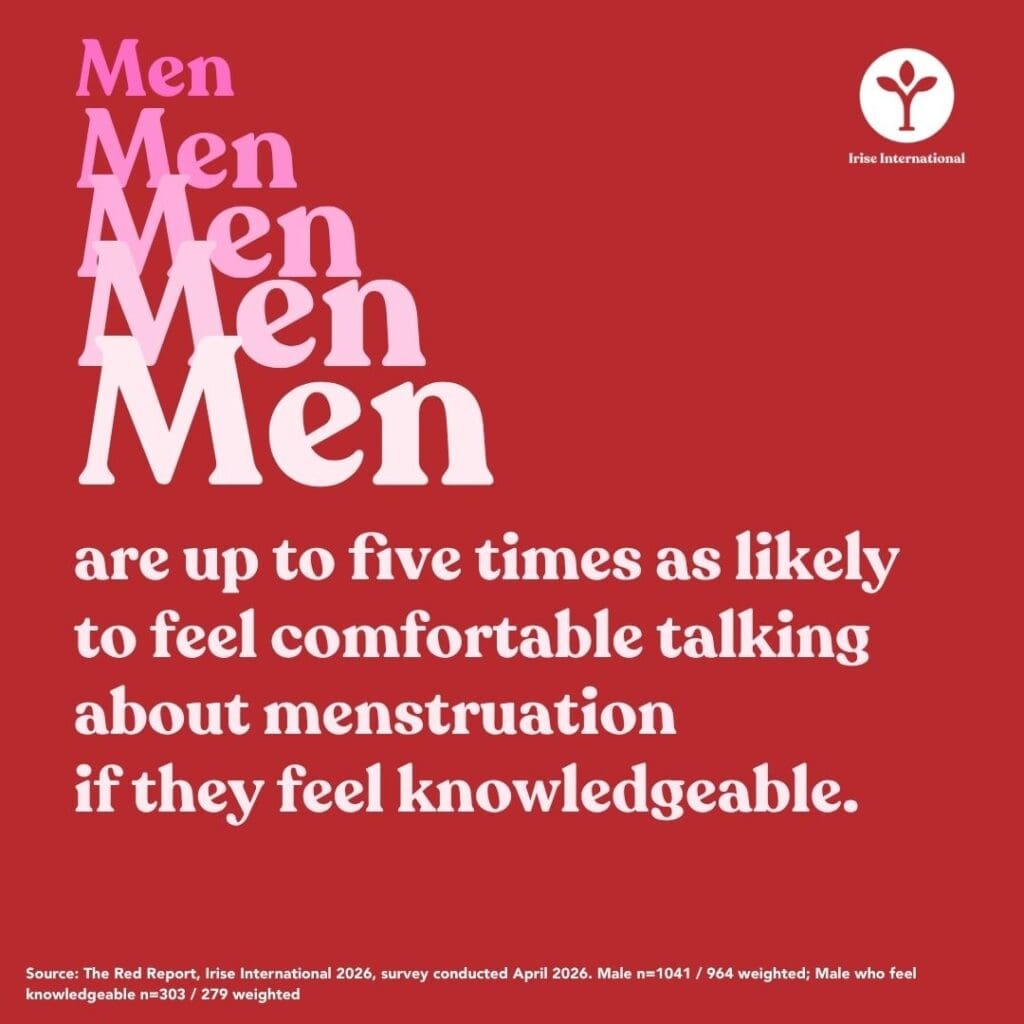
Credits- Irise International
What we need to do.
This proves that closing the menstrual literacy gap doesn’t require major legislative reform; it needs small actions that normalise having a period.
Talk about it openly, in mixed-gender conversations, complain about your cramps, and ask your friend loudly if they have a spare tampon. Normalise periods, because that’s what they are – normal.
As Chrissy Cattle says, “Literacy isn’t about how much you know, it’s about confidence in using what you know, understanding its meaning and applying it in everyday life.”