For many people with disabilities, sex can often be treated as a taboo, but for quadriplegics, sex can be a particularly different experience due to their loss of sensation.
Quadriplegia is a condition often caused by injuries to the spinal cord, resulting in paralysis of the limbs that can affect motor and sensory function.
It can be difficult to adjust to a new way of life after an injury, but something many people overlook is the changes required to have a healthy sex life.
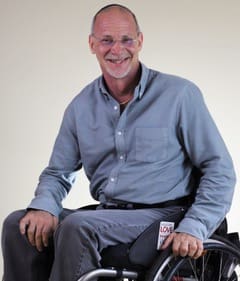
Dr Mitchell Tepper, 64, is a Sexuality Educator, Coach & Founder of The Sexual Health Network from Atlanta, Georgia.
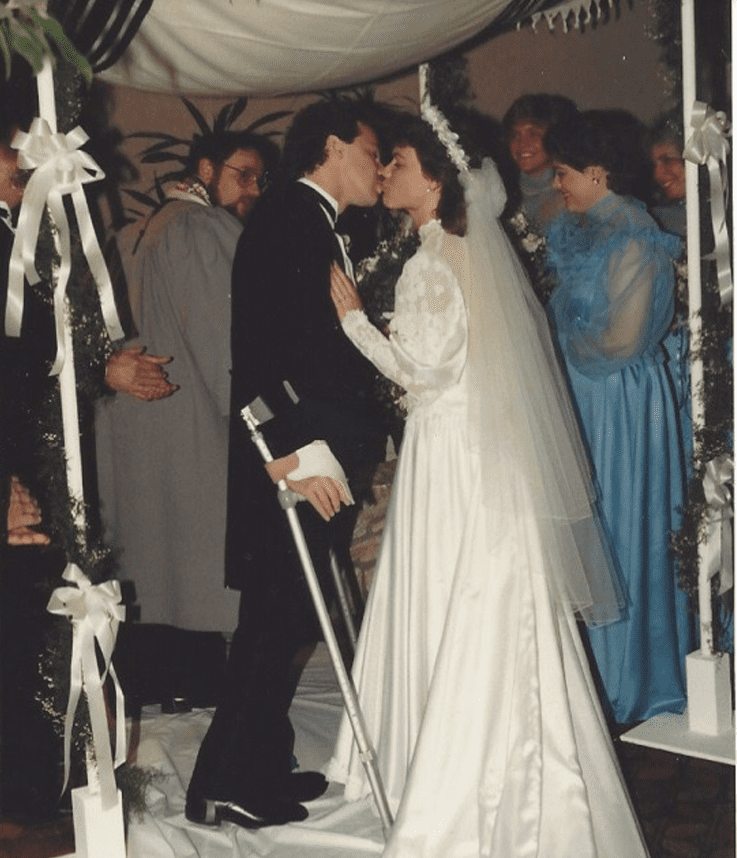
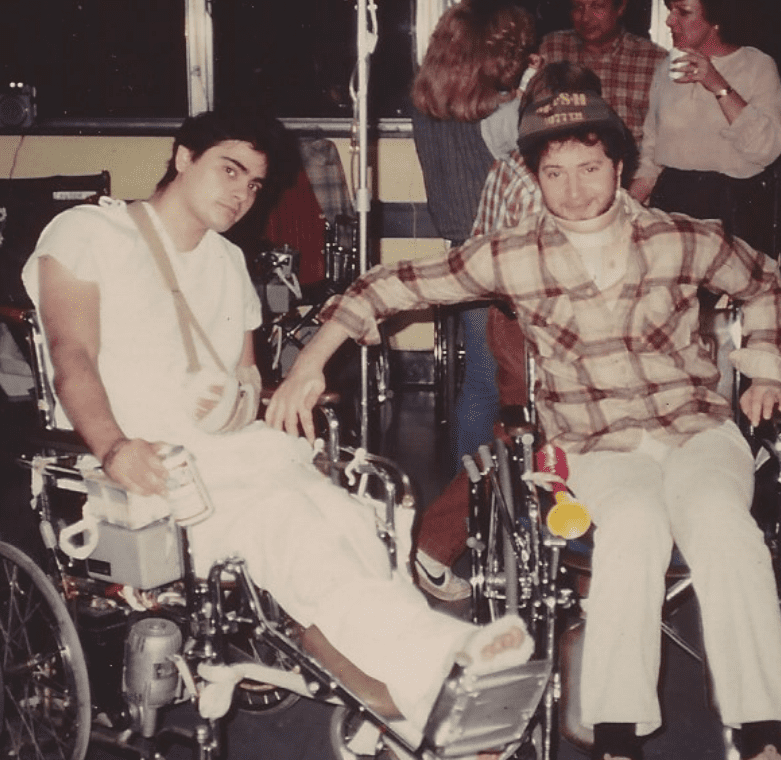
At age 20, Dr Tepper broke his neck in a diving accident, resulting in a spinal cord injury that means he now has limited function, being able to stand and walk short distances with crutches but primarily using a wheelchair for transportation.
After his accident, he went into rehabilitation for a year but quickly learnt that there was no support or information about sexual function and intimate relationships, inspiring him to become a sexual educator.
“My own rehabilitation experience showed me exactly what was missing. Silence and avoidance were the norm,” he says.
“The mission was simple: end the silence. That’s still what drives me.”
Approximately 105,000 people in the UK are living with a spinal cord injury, with someone becoming paralysed every two hours according to a 2025 survey by Spinal Research.
For people with disabilities, particularly quadriplegics, sexuality can often be treated as a stigma due to their experiences typically varying from the ‘norm’.
Dr Tepper says, “The most important thing is that the medical model of sex doesn’t work for everyone, and that’s okay.
“When disability brings loss of genital sensation or limited movement, it can feel like the sex you once knew is gone. But that’s only true if you stay attached to one narrow idea of what sex is.”
However, despite quadriplegics having limited sensation or mobility, they still have sexual needs and wants which shouldn’t be ignored.
“Too many healthcare providers assume sexuality just isn’t a priority for people with disabilities,” he says, “That assumption causes real harm.
“If friends, families, and clinicians can’t welcome these conversations, people with disabilities need to be proactive in seeking out the information and support they deserve. Stop ignoring the elephant in the room.”
For many quadriplegics, their paralysis is something caused by an injury, which can be difficult to adjust to when the concept of intimate relationships is forced to change.
“The biggest misconception is that ‘I have no feeling, so my sex life is over,’” says Dr Tepper, “Loss of genital sensation is not the end of pleasure.
“People assume sex is genitally focused, and if that’s compromised, nothing else is possible. That’s simply not true.”
There are now many accessible devices and accessories available for those with limited mobility or movement.
These accessories can be life-changing for those who are quadriplegic, allowing them to have a healthy and intimate sex life.
Examples of the best accessible devices, recommended by Dr Tepper, include:
- The Fin by Dame
- Eva by Dame
- The Tenga pairRING and paiRING+
- Lovense, app-controlled, Bluetooth-enabled sex toys
- Liberator foam wedges
- Velcro Sport Sheets
- IntimateRider
There are also other accessible options, including oral medications, vacuum pumps, constriction rings, injections, implants and vaginal lubricants.
With so many options available, this shows that sex doesn’t have to be a stigma for people with disabilities.
He says, “I’ve found, both personally and in my research, that satisfying sex doesn’t derive only from the genitals. Trust, safety, and connectedness are the real pillars of deep intimacy.
“The potential for pleasure is far broader than most people are ever taught, disability or not.”
The limitations of sex can be challenged for everyone, with those who have disabilities merely highlighting the importance and true meaning of real intimacy.
Dr Tepper says, “The silence around sexuality and disability isn’t just a personal problem, it’s systemic. It lives in rehabilitation wards that don’t address sexual health.
“It lives in schools that exclude students with disabilities from meaningful sexuality education. It lives in a culture that treats disabled people as asexual by default. That silence causes real harm.
“Disability can be a doorway into a deeper, more conscious sexuality, not just a barrier to overcome.”