From classical art to Pornhub, from laser clinics to the SKIMS’ merkin, pubic hair has been politicised, fetishised, and now, sold back to us. As trends cycle, Pomegranate explores why the bush was never a trend.
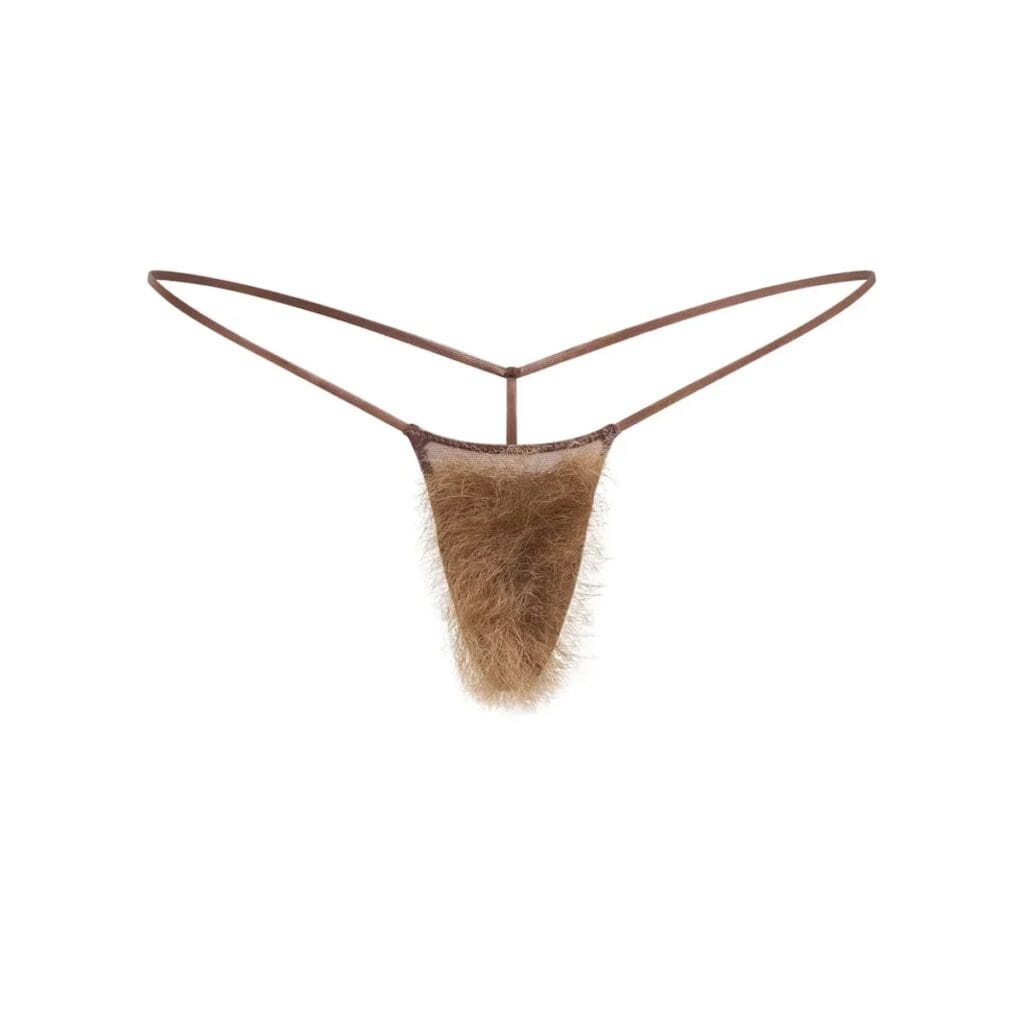
When SKIMS released a series of thong-style merkins, named, ‘The Ultimate Bush’ in October of 2025, it was heralded by some as ironic commentary, and by others as empowerment. For many, it landed as something else entirely, a depressing full circle, with a simple message, remove your hair, permanently, expensively, then buy it back.
The headline ‘The Bush is back’ resurfaced countless times throughout 2025. The idea appeared in leading publications, like Vogue, Women’s Health, and Fashion Magazine. The implication is always the same, pubic hair has been rebranded, reclaimed, and made fashionable again. But pubic hair has never belonged to fashion cycles in the way micro skirts or low-rise jeans have. It grows, disappears, and resurfaces regardless of what the algorithm decides is desirable.
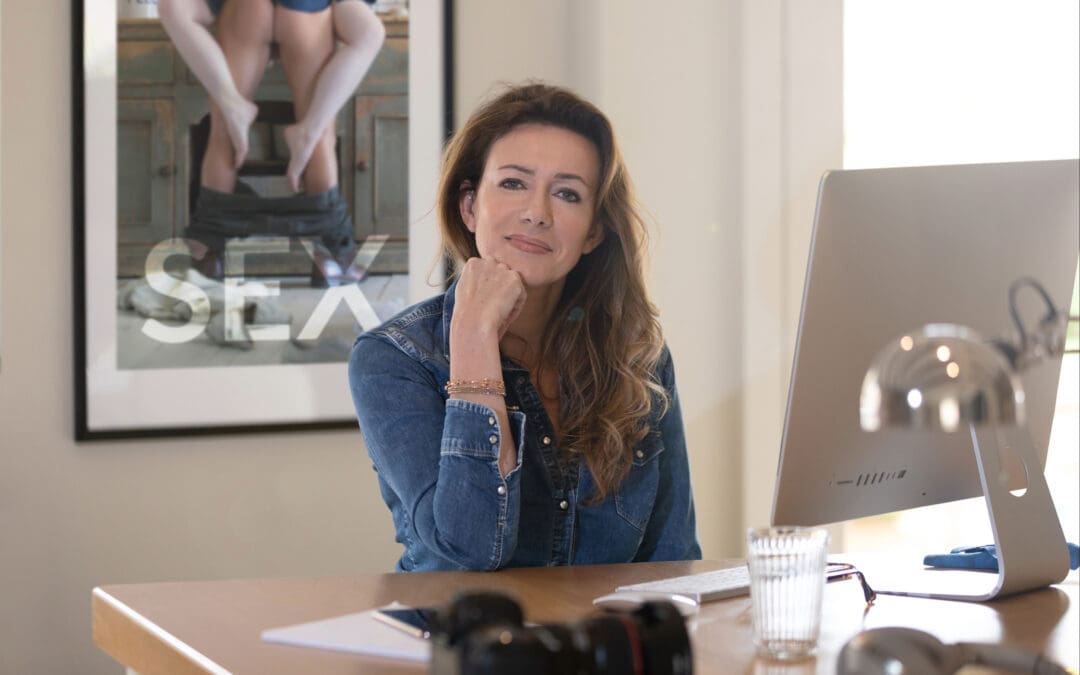
Rachael Gibson, is well aware of how hair can be repackaged to the masses, known as the ‘Hair Historian’ online, she says: “Last year, I had a lot of conversations with people about the return of the bush and there was a lot of press about the bush being ‘back’.
“I was saying to all of these people when we did interviews, that the Merkin is going to be back and widely available within six months.”
A merkin is the technical term for a pubic wig, historically used by sex workers to cover up signs of disease, it has also been used by actors in film and TV to avoid full frontal nudity. They are made from real or synthetic hair.
Her reasoning was not trend forecasting, it was an understanding of a generational reality, that the bush can’t ‘come back’ if it’s been technologically erased.
She says: “So many women have had everything lasered off, and so when everyone was talking about the ‘return of the bush’, I thought, well, a lot of people cannot have a bush because you simply can’t grow your hair back once it’s been lasered, that’s it forever.”
“In the comments (of the SKIMS Instagram account), so many people were saying, ‘why would I buy this when I can just grow my own’, that is because you’re all too young to have suffered through laser because even if I wanted a bush, I cannot have one because I spent several thousand having every single hair zapped off my body with a laser, and that applies to so many people.
“In my generation (as a 41-year-old), if you were a woman”, she says, “you were told you have to have no body hair, that it’s the only way to be an attractive human.
“It’s terrible in so many ways and performative, not just her family, but the culture that made everyone think they had to look a certain way, which is this hairless vision, to then be selling it back to you.”

Gibson explains that in art, hairlessness has long been used as a visual tool to censor the female nude.
She says: “In classical art, subjects weren’t generally depicted with any pubic hair and the main theory for that, is that body hair was considered too raw and real, it made the whole thing too sexual to be displayed.
“If she has pubes, it becomes a real woman, and then we’ve got a naked real woman, and that’s not good.
“It makes the portrayal into this kind of raw, living, breathing, sexual beast, which people wanted to stay far away from in art. So they were just kind of fantastical figures, like a Barbie doll, this isn’t a real representation, this is an idealised form.”
Gibson recalled her favourite painter of the female nude, Sylvia Sleigh, a Welsh artist, famous for her portraits that subvert stereotypes of the female nude.
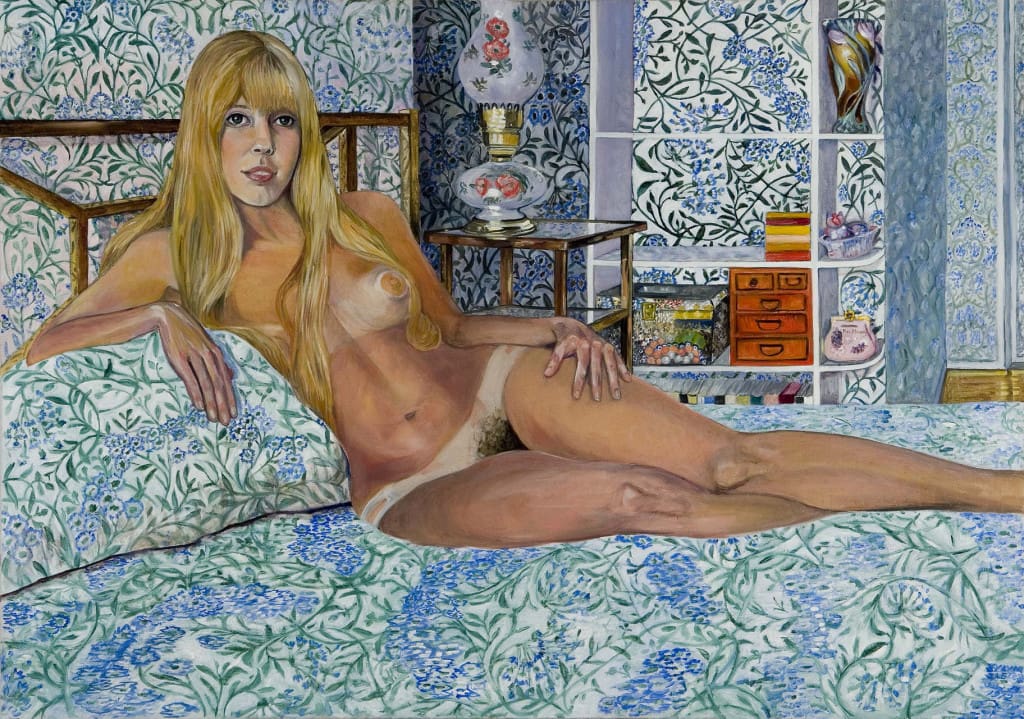
She says: “They feel really joyous and celebratory of the model’s bodies, exactly as they are, with no pretence.”
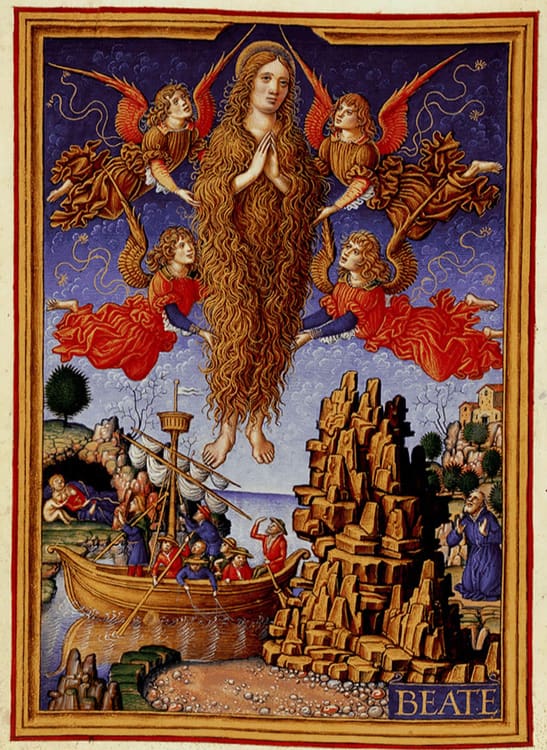
“Also Hairy Mary, Mary of Egypt, it’s this idea of othering, she doesn’t look like a normal person. Therefore we know that she is somehow different or special or to be veered or worshipped. It’s such a visual signifier that this person doesn’t look normal, therefore, they are someone to look at and consider differently,” she says.
We asked our online readers their opinions, from the SKIMS merkin to their own personal journeys with their bushes.
Sarah, 29, looked back on the first and last time she shaved off all her pubic hair: “I first decided to grow my pubic hair when I shaved it all off for the first time. I absolutely hated how juvenile I looked and felt with a bald pubic area and knew that wasn’t the style for me from that point.
“I shaved because it was the thing to do, the idea of having hair when I was pubescent was horrific and mortifying”, she says, “as this was the true PornHub launch era of the 2000s and no woman had hair down there at all.”
Maddie*, 20, says growing out their bush was because of the effort required to shave: “It was more of a lack of energy to maintain a shaved groin, as well as the fact that the few times I have shaved, there was deep discomfort with itching and ingrown hairs as the hair grew back…how does anyone feel safe putting a razor near their pussy.”
Ocean, 20, recounted the pressure from those around her, she says: “From the age of 13, boys and girls around me used to say it was gross or unclean to not shave, so I shaved. One day I was just like wait, why the fuck should I?
“Keeping hair on my body makes me feel feminine, powerful and clean…I would now feel uncomfortable without having pubic hair.”
Daisy*, 21, says: “Growing out my leg hair felt more political to me than pubic hair, pubic hair isn’t as commonly seen, and leg hair really upsets my mum.”
When asked about their reaction to the merkin, Dani*, 21, says: “It feels confusing when this happens, as women experience so much pressure to remove pubic hair, resulting in pain, discomfort and financial cost but after all this it can suddenly be repopularised again and sold back to us as a product.
“If the same companies sold us hair removal products would this trend be reversed?”
Breanne Fahs, a Professor of Women and Gender Studies at Arizona State University, and published author, broke down the expectation of women’s hair removal: “There is a strong pressure for women to to be hairless”, she says, “in part because hair is associated with power, and hairlessness is associated with powerlessness.
“This has been true throughout history, as hairlessness has been seen as deference to God or as a patriarchal construct.”
Fahs says: “Removing pubic hair symbolically and literally mimics a pre-pubescent body, which again strips women of power and symbolises a distaste for them as adult women.”
Fahs explains that pornography intensified this shift: “The culture of pornography in the 1980s started to increasingly move toward hairless pubic regions, which then ignited a long-lasting impact that continues today.” She says: “Pornography often guides many of the aesthetic choices women make.”
Racahel Gibson explained that culture leads the shift in change, she says: “Even if you’re not consuming the porn yourself, the expectations of porn then steer the male gaze which would have affected what was in magazines, and then that changes what you think you need to look like.
“It’s comforting in some ways to realise that everyone has always kind of felt some need to change the way they look to better represent the person they want to be, for fashion, or the myriad of reasons we do things.”
Fahs explains that removal of pubic hair stems from societal expectations, she says: “They are primarily a result of beauty standards and patriarchal control of women’s bodies. Removing body hair isn’t necessary from a health perspective.
“It’s often expensive, sometimes painful, and often considered difficult or cumbersome. It’s not great environmentally, like the use of water in the shower, razors, chemicals, and it’s a chore that most people dislike”, she says.
Despite proclamations of liberation, Fahs says: “The expectation for hairlessness leads the vast majority of women to remove body hair despite all of this. Removing pubic hair is still strikingly common, and the trends point toward removal of pubic hair as a trend that is rising, not declining.
“We can sense movement toward or away from bodily freedom. We can smell freedom, sense when it’s closer or further away. But we never ‘arrive’ at freedom, we are never truly free.
“That said, we should always strive to do things and embrace things that make us feel freer and that help others to feel the same.
“The fight for bodily autonomy and choices and power will continue long after these recent trends have blown through.”
Unlike fashion, bodies don’t reset each season. And unlike trends, hair doesn’t need permission to exist. Declaring the bush ‘back’, ‘implies it ever left or that it belonged to culture, not people.
*Individuals are using a pseudonym